While Quantum Human Design and Dr. Karen Parker do not teach Shores Environment, you may encounter these terms in your journey with Human Design. Quantum Human Design encourages you to always assess information using your Strategy and Authority in determining how to apply, or not apply, this information to your life’s path
The Shores Environment in Human Design
Have you ever felt an inexplicable pull toward coastal areas, river banks, or spaces that balance two different elements? Do you find yourself seeking perspective from the “edge” of things rather than being in the middle of the action? You might be a Shores Environment person in Human Design, and understanding this aspect of yourself could transform how you interact with the world around you.
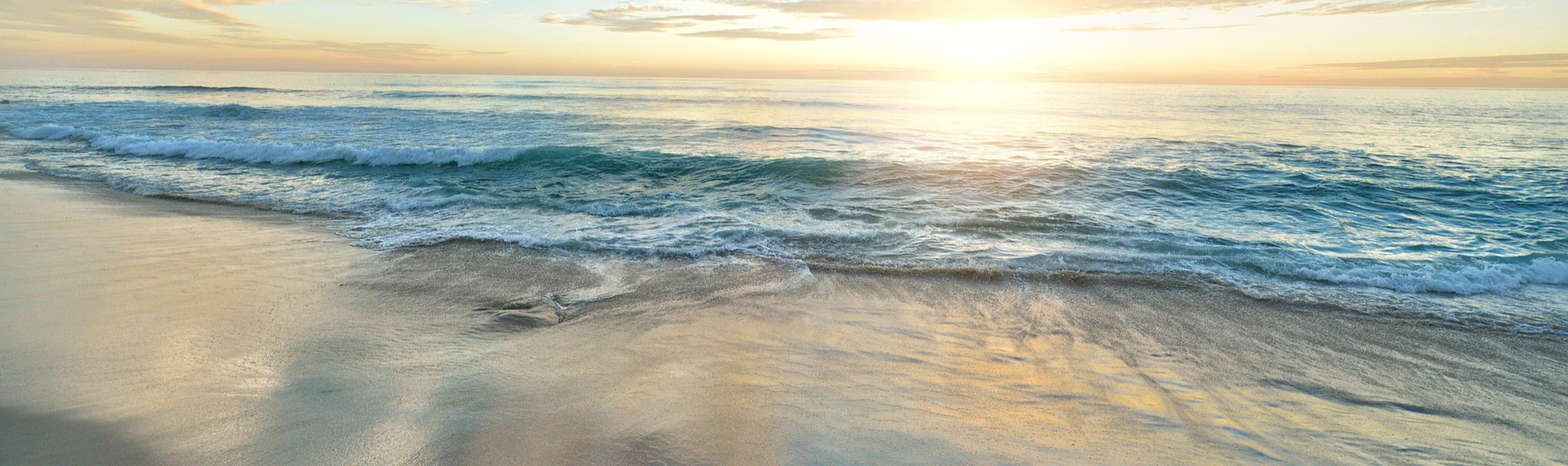
The Shores Environment in Human Design represents places where two distinct elements meet, most notably where land and water converge.
How to Identify if You’re a Shores Environment Person
In Human Design, your Environment is determined by one of the variables in your bodygraph. Here’s how to identify if you have a Shores Environment:
Your Environment is represented in your Human Design chart by a number (1-6) in the yellow circle under the bottom left arrow. The direction the arrow points (left or right) further refines your environmental needs:
- Left-pointing arrow: You tend to be energized by your ideal environment. These spaces stimulate and inspire you, often making you want to be active or even the center of attention.
- Right-pointing arrow: Your ideal environment tends to soothe you. These spaces invite you to observe, relax, and witness what’s happening around you.
The six environments are divided into two categories:
- Hardscapes (1-3): Caves, Markets, and Kitchens—focusing on immediate surroundings and what’s available to you in that space
- Landscapes (4-6): Mountains, Valleys, and Shores—focusing on the energy of your surroundings and how you interact with them
Recognizing Shores Traits Without a Chart
Even without a full chart reading, you might notice certain patterns that hint at a Shores Environment:
You’re drawn to places where elements meet—like coastlines, riverbanks, or edges between land and water.
- You feel most mentally clear when you can observe from a bit of a distance.
- You’re naturally comfortable in in-between spaces like porches, balconies, or doorways.
- Watching sunrises, sunsets, or stars brings you a deep sense of calm and renewal.
- You move easily between different groups or perspectives, acting as a kind of bridge.

These traits suggest a strong connection to the Shores Environment; however, a full Human Design chart can offer further confirmation.
This environment isn’t just about geography—it’s symbolic. Shores represent thresholds, transitions, and the clarity that arises when you’re positioned between two worlds. For people aligned with this environment, those “in-between” spaces offer a unique kind of energetic restoration and insight.
In the Human Design system, Shores aligns with the 6th line—known for its observational quality, long-term vision, and elevated perspective. Like someone standing on a rooftop looking out over everything, Shores people often seek distance not to disconnect, but to gain clarity and understanding beyond the immediate moment.
Characteristics of Shores People
Shores Environment individuals possess distinct traits that influence how they perceive and interact with the world:
Balance Seekers: They naturally find equilibrium between contrasting elements, whether in their physical surroundings, relationships, or life philosophies.
Perspective-Oriented: Rather than being immersed in situations, they gain insight by viewing circumstances from a slight distance.
Boundary-Conscious: Shores people are naturally attuned to thresholds and transitions, often serving as bridges between different viewpoints.
Water-Connected: They experience profound restoration near bodies of water, which helps them process emotions and gain clarity.
Adaptable and Fluid: Like the shoreline that shifts with the tides, they navigate change with natural resilience.
Celestially Drawn: They often look upward and outward, finding connection with stars, sunsets, and the vast perspective that comes from contemplating what lies beyond.
Understanding these characteristics can help Shores people embrace their natural tendencies rather than fight against them.
Creating Your Ideal Shores Environment
Your physical surroundings significantly impact your energy as a Shores person. Here’s how to optimize your spaces:
The Power of Entrances
For Shores Environment types, the foyer or entrance to your home carries special significance. This transitional space between the outside world and your inner sanctuary deserves thoughtful attention.
- Create a designated entrance area, even in small spaces
- Add elements that make this threshold special: a mirror, bench, or distinctive rug
- Keep this area organized, but personally meaningful
- Use this space consciously when entering or leaving your home
Windows and Viewpoints
Windows serve as natural thresholds between inside and outside, perfect for the Shores person:
- Position furniture to face windows when possible
- At restaurants or other locations, request seating near windows
- Consider homes with interesting or unique window shapes
- Create window nooks that invite contemplation
- Use curtains or blinds that can be adjusted to create different relationships with the outdoors
Transitional Spaces
Porches, balconies, sunrooms, and decks provide the perfect “not quite in, not quite out” experience that nourishes Shores people:
- Invest in comfortable seating for these areas
- Consider these spaces sacred rather than afterthoughts
- Use these areas for important conversations, meditation, or creative work
- Add elements that enhance their threshold quality: plants that blur the line between inside and outside, partial screens, or weather-appropriate furnishings
The Shores Environment Survival Kit
Every Shores person should consider these elements essential for maintaining balance and well-being:
Rocking Chairs and Movement
The simple act of rocking creates a rhythmic motion that helps Shores people process energy and gain perspective:
- Invest in a quality rocking chair or glider
- Don’t be self-conscious about pacing when processing ideas
- Try swings, hammocks, or other moving seats that create similar effects
- Notice how movement helps clear your mind and restore balance

Celestial Connections
The ultimate “shore” is where Earth meets space, making stargazing particularly restorative.
- Download moon tracking or astronomy apps
- Schedule time for sunset or sunrise viewing
- Consider learning about astrology or celestial navigation
- Find spots with clear views of the night sky
- Pay attention to how you feel when connecting with these vast perspectives
Fiction and Fantasy
Alternative realities provide Shores people with mental “thresholds” even when physical ones aren’t available:
- Keep engaging books, games, or shows available during travel
- Don’t dismiss fiction as “escapism”—for you, it’s environmental nourishment
- Notice which fictional worlds particularly resonate with you
- Use immersive stories during times of stress or transition
Water Connections
Having regular access to water provides essential restoration:
- Identify your favorite water bodies—whether natural or man-made
- Consider swimming, boating, or simply sitting near water
- Pay attention to how different water settings affect you
- Keep photographs of your favorite water places visible in your home
- Consider water features in your living space
Lifestyle Practices for Shores People
Beyond your environment, certain activities naturally align with your Shores nature:
Boundary Activities
Activities that involve crossing or navigating boundaries provide unique satisfaction:
- Swimming laps in pools
- Balance beams or slacklines
- Walking paths or trails
- Games with defined boundaries
- Any activity involving crossing from one distinct area to another
Sacred Vessels
Boats, canoes, paddleboards, and bicycles hold special significance as they allow movement between different spaces:
- Treat these vessels with special care
- Notice the restoration that comes from traveling via these methods
- Consider how these modes of transport differ from cars or public transit
- Use these vessels intentionally for restoration, not just transportation
Pacing and Movement
Simple movement can help process complex emotions or ideas:
- Allow yourself to pace when working through challenges
- Create space in your home that accommodates movement
- Notice when you naturally begin moving during intense conversations
- Use rocking or swinging motions during times of stress
Shores Environment and Relationships
Your Shores nature influences how you connect with others:
- You may thrive in relationships that balance independence and togetherness
- You might serve as a natural mediator, seeing multiple perspectives
- Clear boundaries are essential for your well-being
- You might prefer conversations in threshold spaces—porches, window seats, or while walking
- Your partners and friends might benefit from understanding your need for perspective and space
When both people understand Shores Energy, relationships can accommodate this need for balance rather than misinterpreting it as aloofness or indecision.
Professional Life for Shores Types
Your work environment and career choices can align with your Shores nature:
- Consider roles that involve bridging different departments, disciplines, or viewpoints
- Create a workspace near windows or with views when possible
- Take breaks that involve threshold experiences—stepping outside, visiting a balcony, or even standing in doorways
- Notice which work environments drain you versus which ones restore your energy
- Consider careers in fields that value perspective and balance: mediation, design, coaching, writing, or consulting
You might excel in positions requiring adaptation to changing circumstances and the ability to see long-term patterns.
Living Your Best Shores Life
Embracing your Shores Environment nature isn’t about confining yourself to living on a literal coastline, though many people who resonate with this environment do find vitality and peace near water. Instead, it’s about recognizing the symbolic and energetic value of thresholds, edges, and transitional spaces in your life.
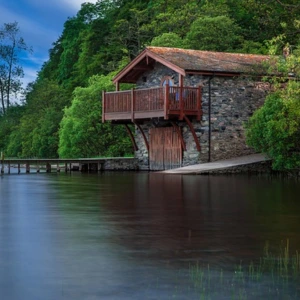
Shores people thrive where two worlds meet—whether that’s physical boundaries like doorways and balconies or metaphorical ones, such as the space between ideas, roles, or relationships. Pay attention to the environments where you naturally feel most restored or mentally clear. You may find that building intentional threshold experiences into your daily routine, such as stepping outside between tasks, spending time at the edge of a park, or pausing in quiet reflection between social interactions, can enhance your sense of balance and clarity. Rather than viewing your need for space and perspective as detachment, learn to honor it as an essential part of your design.
Communicate openly with those around you about what kinds of environments or rhythms help you feel most aligned. Most importantly, be willing to experiment with the practices and surroundings that resonate most deeply. Human Design offers insight, not rigid rules. Your expression of the Shores Environment is unique and evolving, with nuances that only you can truly uncover through self-awareness and experience.
Common Misconceptions About the Shores Environment
As you explore whether you’re a Shores Environment person, be aware of these common misconceptions:
“I Must Live Near Water”
While many Shores people are drawn to coastal living, the essence of this environment is about thresholds and transitions, not necessarily literal shorelines. You can create Shores energy in any location by emphasizing transitional spaces and perspectives.
“I’m Too Social to Be a Shores Person”
Being a Shores person doesn’t mean you’re antisocial. Rather, it indicates how you process energy and gain clarity. Many Shores people are quite social but need threshold spaces to integrate experiences.
“Shores Means I’m Wishy-Washy or Indecisive”
The ability to see multiple perspectives isn’t indecisiveness—it’s a strength. Shores people can make firm decisions once they’ve processed information from their unique vantage point.
“I Can’t Have a Shores Environment Because I Live in the City”
Urban environments offer numerous threshold experiences: rooftops, balconies, bridges, and parks where different energies meet. Many Shores people thrive in cities with access to these transitional spaces.
The Shores Environment in Human Design
The Shores Environment in Human Design provides a meaningful lens for understanding why certain places, experiences, and perspectives feel so instinctively right to you. It speaks to the power of thresholds—those liminal, in-between spaces where transformation, reflection, and clarity often occur. Whether it’s a balcony overlooking a city, the edge of a forest, or even the moment between two conversations, these transitional zones can feel deeply restorative for those with a Shores orientation.
Honoring this part of your design means more than just appreciating these spaces; it involves actively creating environments that allow your energy to settle, process, and expand. This could mean carving out physical areas in your home that feel like a “pause point,” maintaining emotional boundaries that protect your clarity, or allowing yourself the distance you need before responding to intense situations.
Whether you’re newly discovering your Shores designation or have long been drawn to such environments without knowing why, this understanding can be deeply validating. It brings language and intention to what may have previously been a quiet intuition.
By embracing this aspect of your Human Design, you invite greater alignment, productivity, and a sense of being truly supported by your surroundings. Start by experimenting with the suggestions that feel most resonant—observe how they impact your mood, clarity, and energy flow. The shore is always there, offering perspective and peace. The question is: Are you ready to listen and step into its quiet power?
Shores Environment in Human Design – Do You Have This in Your Chart?
Get Your FREE Human Design Chart to check it out.
Why not download your FREE Human Design chart here to find out?
Remember that we all have ALL of the chart. If the Gate is colored in or defined, it’s part of your Soul Curriculum. If it’s white or undefined, it means you learn about this Gate through relationships with others or through the Transits.
At its core, Human Design is a unique system that offers profound insights into your inner self and how you interact with the world around you. Your Human Design chart is a valuable tool that can help you understand your true nature, discover your strengths and weaknesses, and unlock your full potential.
By downloading and reviewing your unique Human Design Chart you are embarking on a journey of self-discovery that will empower you to make conscious choices in all aspects of your life. Your chart is an Energy Blueprint of your unique energy configuration and contains valuable information about your personality traits, your natural talents, and your life purpose. With this knowledge, you’ll navigate life’s challenges with greater ease and clarity.
Human Design is a deeply empowering system that encourages us to embrace our true selves, rewrite our personal narrative, and live in alignment with our inner wisdom. When we align with our authentic nature, we tap into a wellspring of creativity, joy, and fulfillment that flows effortlessly through us.
There’s More – How To Learn More About Human Design
If you are trying to learn and apply Human Design to your life circumstances, but traditional Human Design rings a little off-key, you don’t quite connect with it, or it feels heavy as you read it. We invite you to explore training options with Quantum Human Design, internationally respected and time-tested training courses.
These courses will empower you to create a life filled with more money, better relationships, health and vitality, a rewarding career, and experience profound personal transformation.
Do you want to unlock the secrets of Quantum Human Design?
Why not join our on-demand Masterclass and discover the Transformative Power of Quantum Human Design
Curious about the difference between Human Design and Quantum Human Design? Karen Curry Parker explains it in this video:
BOOK NEWS
Quantum Wellness: Healing Your Mind, Body, and Spirit with Human Design

This comprehensive guide teaches readers to:
- Interpret bodily signals and uncover root causes of imbalance
- Utilize individual energetic blueprints for optimal well-being
- Transform limiting beliefs to align with one’s authentic self
Dr. Parker provides practical tools to unlock potential and create purposeful, vibrant lives.
This essential resource addresses core issues beyond symptoms, guiding readers on a transformative journey of self-realization and deep healing.
This book blends ancient Human Design wisdom with quantum physics, offering a revolutionary approach to holistic healing and personal transformation. Ideal for holistic practitioners, Human Design enthusiasts, and self-discovery seekers.