Do You Have the Kitchens Environment?
While Quantum Human Design and Dr. Karen Parker do not teach Human Kitchens Environment in Human Design, you may encounter these terms in your journey with Human Design. Quantum Human Design encourages you to always assess information using your Strategy and Authority in determining how to apply, or not apply, this information to your life’s path
Have you ever walked into a bustling coffee shop and suddenly felt more alive? Or found yourself gravitating toward the kitchen during parties, even when you’re not the host? If you have a Kitchens Environment in your Human Design chart, these aren’t random preferences—they’re clues to how you’re designed to thrive.
Maria, a marketing manager from Portland, spent years wondering why she felt drained working from her pristine home office but came alive during team brainstorming sessions at noisy cafes. Once she discovered her Kitchens Environment, everything clicked. She transformed her workspace, embraced her need for community, and saw her creativity and energy soar.
If you’re new to Human Design or just discovering your Kitchens Environment, this guide will help you understand what makes you tick and how to create spaces and routines that support your natural energy. You’ll learn the difference between Wet and Dry Kitchens variations, get practical tips for transforming your spaces, and discover how to build the community connections you crave.
Understanding Your Kitchens Environment Blueprint
What Makes Kitchens People Unique
Your Kitchens Environment is part of Human Design’s “Variables”—four arrows on your chart that show how your body and mind work best. The bottom left arrow points to your Environment type, which reveals the external conditions where you naturally thrive.
Think of the Kitchens Environment as your inner alchemist. Just like a kitchen takes different ingredients and combines them into something delicious, you’re designed to mix diverse people, ideas, and experiences to create something new. You’re not meant to work in isolation—you need variety, collaboration, and the energy of community to feel fully alive.
This definitely doesn’t mean you have to love cooking or spend all your time in actual kitchens. Your “kitchen” might be a co-working space, a community center, or even your living room when friends gather. The key is that spark of creative collaboration that happens when different elements come together.
You might be a Kitchens person if you:
- Feel energized by background noise and activity
- Love being where “the action is” happening
- Naturally become a connector, introducing friends to each other
- Feel drained when isolated for too long
- Prefer open spaces where you can see what’s happening around you
- Find yourself checking your phone constantly when alone
Wet vs. Dry: Your Environmental Sweet Spot
Your Kitchens Environment comes in two flavors, determined by which direction your arrow points. Understanding your variation helps you fine-tune your spaces and geographic preferences.
Wet Kitchens (Left Arrow):
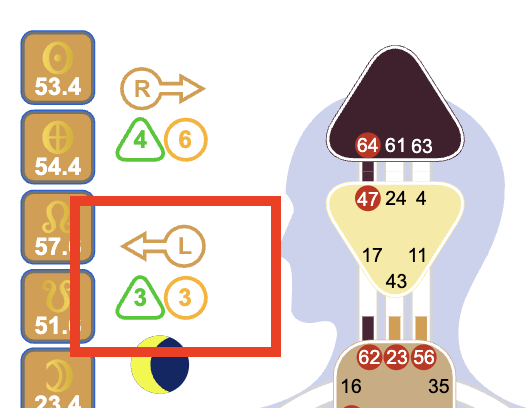
If your arrow points left, you have a Wet Kitchens Environment. You’re designed to be active and observable in your environment. You thrive in humid, lush environments with abundant greenery and natural moisture. Think Pacific Northwest vibes—Seattle’s coffee culture, Portland’s food truck pods, or Denver’s tree-lined neighborhoods.
You’re energized by being in the mix, participating actively in whatever’s happening around you. You love when people can see you and interact with you easily. Rainy days boost your mood, and you feel most at home in places with plenty of plants and natural light.
Dry Kitchens (Right Arrow):
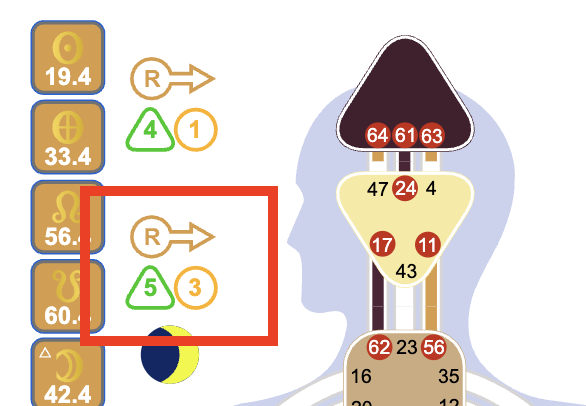
If your arrow points right, you have a Dry Kitchens Environment. You prefer observing rather than being the center of attention. You thrive in arid, controlled environments with less humidity and more structure. Think Phoenix’s desert beauty, Santa Fe’s high desert culture, or the clean lines of a modern city like Austin.
You love being part of the energy, but from a slightly more removed position. You enjoy watching the flow of activity around you and jumping in when something catches your interest. You probably prefer air conditioning, clear sight lines, and organized spaces.
Signs You’re Living Out of Alignment
When your environment doesn’t align with your design, your body and mind will let you know. Here are common signs that your Kitchens energy isn’t being honored:
Physical symptoms:
- Chronic fatigue when you spend too much time alone
- Restlessness in sterile or overly quiet environments
- Difficulty concentrating without some background activity
- Feeling sluggish in spaces with no windows or natural light
Emotional and mental patterns:
- Constantly reaching for your phone to connect with others
- Feeling creatively blocked or uninspired
- Longing for collaboration but not knowing how to find it
- Overwhelm in spaces that feel too uniform or predictable
Behavioral clues:
- Gravitating toward coffee shops and co-working spaces
- Feeling most creative during chance encounters with friends
- Avoiding your home office in favor of public spaces
- Hosting gatherings even when you feel too busy
Jake, a freelance graphic designer, thought he was just being lazy when he couldn’t focus in his dedicated home office. He’d end up working from the kitchen table or local cafes instead. Once he learned about his Kitchens Environment, he stopped fighting his instincts and set up his workspace in his apartment’s main living area. His productivity doubled almost immediately.
Designing Your Spaces for Maximum Energy
Creating Your Home Hub
Your home should feel like a welcoming gathering place, even when you’re alone. The goal is to create spaces that invite connection and stimulate your senses without overwhelming you.
The Central Gathering Space:
Open concept layouts feel natural to Kitchens people because they allow energy to flow freely. If you can’t renovate, create visual connections between rooms by keeping doorways open and using consistent colors or lighting.
Make your kitchen or main living area the heart of your home. This doesn’t mean it has to be fancy—even a small apartment can have a central hub where you eat, work, and relax. Set up multiple “stations” within this space: a comfortable reading nook, a small desk area, maybe a craft corner. You’ll naturally rotate between these spots throughout the day.
Add variety through the use of color, texture, and lighting. Kitchens people thrive on sensory diversity. Mix warm and cool colors, combine smooth and textured fabrics, and utilize different types of lighting to create distinct moods. Plants are especially important for Wet Kitchens people—they add life and help regulate humidity naturally.
Workspace Optimization:
If you work from home, resist the urge to hide away in a separate office. You’ll be more productive in your main living space where you can feel connected to life around you. Set up your workspace so you can see outside if possible—watching pedestrians or neighbors can provide the community energy you need.
For video calls, choose a background that showcases your personality and warmth, rather than a blank wall. Your natural environment should reflect who you are. Keep your camera positioned so you can see who’s “in your space” even during virtual meetings.
If you must work in a separate room, keep the door open when possible and take frequent breaks to move through more social areas of your home. Consider background music or even having a TV on low volume to create the ambient activity your nervous system craves.
Bedroom and Private Areas:
Even your private spaces should strike a balance between solitude and connection. Position your bed so you can see the door—this isn’t about security, it’s about maintaining awareness of your environment. Windows that overlook community areas (courtyards, streets with foot traffic, neighbors’ yards) help you feel connected even when resting.
Avoid completely blocking out sound at night. Kitchens people often sleep better with gentle background noise that indicates life is continuing around them. White noise machines that mimic the ambiance of a coffee shop or gentle rain can be perfect for this.
Geographic and Climate Considerations
For Wet Kitchens People:
You’ll thrive in naturally humid climates with plenty of greenery. Cities like Seattle, Portland, Asheville, or parts of New York, with their tree-lined streets, call to you. If you live in a drier climate, create indoor humidity with plants, small fountains, or humidifiers (budget around $50-200 for good options).
Seek neighborhoods with walkable community spaces—farmer’s markets, local coffee shops, community gardens. You want to live somewhere you can easily bump into people you know. Choose apartments or homes with courtyards, front porches, or communal outdoor spaces.
For Dry Kitchens People:
You’ll feel most aligned in desert or mountain environments with lower humidity and clearer air. Cities like Phoenix, Santa Fe, Boulder, or parts of California speak to your system. If you live in a humid area, invest in quality air conditioning and dehumidifiers to create your ideal indoor climate.
Look for neighborhoods with clean sight lines and organized community spaces. You prefer structured social opportunities—regular farmers’ markets, scheduled community events, or well-organized co-working spaces—over completely spontaneous gatherings.
Quick Transformation Tips (Budget: $100-500)
Whether you rent or own, you can make immediate changes that honor your Kitchens Environment:
Add plants and living elements: Even low-maintenance options, such as pothos or snake plants, bring life to your space.

Create sight lines: Arrange furniture so you can see your main entrance and any windows. Remove visual barriers when possible.
Set up multiple work zones: Instead of one desk, create several small areas where you can work depending on your mood and energy.
Use warm, varied lighting: Replace harsh overhead lights with table lamps, string lights, or floor lamps that create pools of warm light.
Keep healthy snacks accessible: Honor your need for frequent nourishment with easy-to-grab options visible in your main living space.
Add background sound: A small speaker for music or nature sounds can create the ambient activity your nervous system needs.
Building Your Community and Connection Architecture
The Art of Strategic Serendipity
Kitchens people thrive on chance encounters, but you can increase your odds of meaningful connections through smart choices about where and how you spend your time.
Creating Routine Touchpoints:
Become a regular somewhere that aligns with your interests. This might be a coffee shop, bookstore, community center, or local market. The key is consistency—showing up at roughly the same times so you start recognizing familiar faces.
Sarah, a teacher in Austin, started stopping at the same coffee shop every Tuesday and Thursday morning before work. Within two months, she’d met three other educators, a local artist, and even found a running partner. These weren’t forced networking attempts—just natural connections that grew from sharing the same space regularly.
Choose walking routes through populated areas rather than empty streets. Take your dog to the same park at similar times. Shop at local businesses instead of big-box stores when possible. The goal is to weave yourself into the social fabric of your community.
Professional Collaboration Strategies:
Look for work that involves teamwork and creative problem-solving. Even if your official role is individual, seek out projects that involve collaboration. Volunteer for planning committees, cross-departmental teams, or mentoring programs.
If you’re job hunting, pay attention to company culture descriptions. Look for words like “collaborative,” “team-oriented,” “open workspace,” or “community-focused.” During interviews, ask about team dynamics and office layout. Trust your instincts—if the space feels sterile or isolating during your visit, it probably won’t nourish your Kitchens energy long-term.
Consider careers that naturally align with your environment: hospitality, education, healthcare, event planning, or any field that involves bringing people together. But remember, you can create Kitchens energy in almost any job by focusing on collaboration and community-building.
Digital Community Integration
Online Spaces That Support Your Energy:
Join online communities related to your interests and skills. However, the key is to prioritize platforms that enable genuine interaction, not just passive consumption. Look for forums with active discussion, virtual co-working rooms, or online classes where you can interact with other participants.
Use video calls instead of text-only communication whenever possible. Your Kitchens energy feeds off seeing faces and hearing voices. Even for work meetings that could be conducted via email, advocate for quick video check-ins when appropriate.
Consider virtual co-working or “body doubling” sessions where you work on your own projects while connected via video with others doing the same. Websites like Focusmate or virtual co-working communities can provide the gentle accountability and ambient social energy you need.
Social Media Strategy:
Use social platforms to create connections rather than just consume content. Share your own projects and behind-the-scenes process. Comment meaningfully on others’ posts. Utilize features like Instagram Stories or LinkedIn posts to initiate conversations, rather than simply broadcasting.
Join local Facebook groups or neighborhood apps, such as Nextdoor, to stay connected with your immediate community. Look for groups focused on activities you enjoy, such as gardening, the local food scene, or community events.
Relationship Dynamics
Living with Others:
If you live with roommates, family, or a partner, communicate your need for background activity and a sense of community. Help them understand that your productivity and mood improve when you’re not isolated.
Create shared spaces that invite spontaneous interaction—a communal dining table, a comfortable living room setup, or even just a coffee station where people naturally gather. If you live alone, consider having friends over regularly for simple activities, such as cooking together or working on individual projects in the same space.
Building Your Chosen Family:
Kitchens people are natural connectors. Embrace this role by hosting regular, low-key gatherings. This doesn’t have to be elaborate dinner parties—think coffee dates, potluck brunches, or even just inviting people over to work on individual projects together.
Be the person who introduces friends to each other. Your ability to see connections between different people is a gift. When you meet someone new, think about who in your existing network they might enjoy meeting.
Establish traditions and rituals that foster regular gatherings and bring people together. Maybe it’s a monthly game night, a weekly coffee meetup, or a seasonal celebration. Having recurring events gives people something to look forward to and helps build deeper connections over time.
Troubleshooting Common Challenges
When You Can’t Control Your Environment
Rental Restrictions and Shared Spaces:
If you’re renting or living in shared housing, you can still honor your Kitchens Environment within your constraints. Use removable decor to add personality and variety—such as tapestries, plants, colorful throw pillows, or string lights that don’t require permanent installation.
Create your own corner or “station” even in a shared space. This might be a desk setup in your bedroom, a reading nook by a window, or even just a comfortable chair with good lighting and personal items around it.
Discover nearby third spaces that meet your community’s needs. Libraries, coffee shops, community centers, or co-working spaces can provide the collaborative energy your home lacks. Budget for spending some time in these spaces regularly—think of it as an investment in your mental health and productivity.
Negotiate with roommates or family for shared gathering areas. Offer to take responsibility for maintaining common spaces in exchange for being able to set them up in ways that work for everyone.
Remote Work Isolation:
Working from home can be challenging for Kitchens people, especially in jobs that don’t naturally include much collaboration. Create a structure around human connection to prevent the isolation that drains your energy.
Schedule regular video calls with colleagues, even for things that could be handled via email. If your job doesn’t provide this, set up informal coffee chats or virtual co-working sessions with friends who also work remotely.
Work from cafes, libraries, or co-working spaces periodically. Even once or twice a week can make a significant difference in your energy levels. If budget is a concern, look for free options like library spaces or coffee shops during off-peak hours where you can nurse one drink for a while.
Take breaks to walk in populated areas—downtown streets, busy parks, or shopping areas. The goal isn’t necessarily to interact with people, but to be around human activity that feeds your social nervous system.
Seasonal and Geographic Challenges:
If you live somewhere that doesn’t naturally align with your Wet or Dry variation, create indoor environmental controls. For Wet Kitchens people in dry climates, invest in humidifiers, plenty of plants, and water features like small fountains (budget $100-300 total). For Dry Kitchens people in humid areas, good air conditioning and dehumidifiers can create the ideal indoor climate.
Plan regular trips to more aligned climates when possible. This might be weekend getaways to the mountains if you’re Dry, or coastal trips if you’re Wet. Even short breaks in environments that truly suit you can recharge your batteries for weeks.
Build stronger digital communities during isolating seasons. Winter or extreme weather periods are perfect times to deepen online connections and participate in virtual communities.
Dealing with Overstimulation
While Kitchens people need more stimulation than some other Environment types, you can still get overwhelmed. Learning to recognize your limits and create balance is crucial for long-term thriving.
Creating Retreat Spaces:
Even within your collaborative environment, designate quiet areas where you can retreat when you need to recharge. This might be your bedroom with the door closed, a bathroom where you can take a few deep breaths, or even just a comfortable chair positioned slightly away from the main activity.
Use noise-canceling headphones when you need to focus deeply, but don’t isolate yourself completely. You can still be aware of activity around you while filtering out distracting details.
Recognizing Your Rhythms:
Pay attention to your natural energy patterns. You might find you need more solitude in the mornings and more community energy in the afternoons, or vice versa. Honor these rhythms instead of forcing yourself to be social when you need quiet time.
Schedule regular downtime between high-stimulation activities. If you’ve spent the day in a busy co-working space, you might need an hour of quiet time at home before going out for evening plans.
Learn the difference between energizing stimulation and draining chaos. Good Kitchens energy feels warm, creative, and collaborative. Overwhelming stimulation feels scattered, anxious, and exhausting. Trust your body’s signals about which environments truly serve you.
Your 30-Day Quick Start Plan
Ready to start honoring your Kitchens Environment? This plan gives you manageable steps to initiate your transformation without overwhelming yourself.
Week 1: Assessment and Awareness
- Notice where you feel most energized throughout your typical week
- Pay attention to when you reach for your phone or seek out a social connection
- Identify one space in your home that could become a better gathering hub
- Observe whether you gravitate toward busy or quieter environments
Week 2: Make One Significant Change
- Rearrange your primary living or working space to be more open and connected
- Add plants, varied lighting, or colorful elements to create more sensory diversity
- If you work from home, try working from your kitchen table or living room instead of a separate office
- Remove or rearrange barriers that block sight lines to windows or doorways
Week 3: Connect with Community
- Identify one local space where you could become a regular (coffee shop, library, community center)
- Reach out to an old friend or colleague for a video call or an in-person meetup
- Join one online community or group related to your interests
- Take a different route to work or daily destinations that goes through more populated areas
Week 4: Establish Routines
- Create a routine that includes regular community touchpoints (same coffee shop, walking route, etc.)
- Schedule at least one collaborative activity per week (co-working session, group project, or social gathering)
- Set up your physical environment to support these new routines
- Reflect on what’s working and what needs adjustment
Frequently Asked Questions (FAQs) About the Kitchens Environment in Human Design
Q: Do I have to literally work in a kitchen to honor my Kitchens Environment?
A: Not at all! The Kitchens Environment is about the energy of collaboration and creative mixing, not the physical location. Your “kitchen” might be a co-working space, your living room, a community center, or anywhere people naturally gather to create something together. Think of it as needing a place where different “ingredients” (people, ideas, projects) come together to make something new.
Q: I’m an introvert with a Kitchens Environment. Does this mean I’m mistyped?
A: Absolutely not! Having a Kitchens Environment doesn’t mean you need to be extroverted or constantly socializing. Many Kitchens people are introverts who simply need the ambient energy of community around them to feel settled and creative. You might prefer observing the activity rather than being the center of attention, especially if you’re a Dry Kitchens type. The key is having access to collaborative energy when you need it, not being “on” all the time.
Q: What’s the difference between Wet and Dry Kitchens, and how do I know which one I am?
A: Your variation depends on the direction of your Environment arrow in your Human Design chart. Wet Kitchens (left arrow)- people thrive in humid, lush environments and prefer to be actively engaged in their community. Dry Kitchens (right arrow) are preferred by people who prefer arid, controlled environments and enjoy observing community activity from a slightly more removed position. If you’re not sure which you are, consider whether you prefer humid or dry climates, and whether you enjoy being in the center of activity or watching from the sidelines.
Q: I live in a studio apartment and can’t create separate spaces. How can I honor my Kitchens Environment?
A: Small spaces can still embody Kitchens energy! Focus on creating distinct “zones” within your studio by utilizing furniture arrangement, lighting, and decor. Set up a work corner, a relaxation area, and an eating space, even if they overlap. Use plants, varied textures, and warm lighting to create sensory diversity. Most importantly, spend time in community spaces outside your home—coffee shops, libraries, co-working spaces, or community centers can provide the collaborative energy your studio lacks.
Q: I work remotely and feel isolated. How can I get Kitchens energy without an office?
A: Remote work can be challenging for Kitchens people, but there are many solutions. Work from cafes or libraries periodically, join virtual co-working sessions where you’re on video with others working on their own projects, schedule regular video calls with colleagues or friends, and take breaks in populated areas like busy parks or downtown streets. Consider joining a co-working space part-time, or create “parallel play” arrangements where friends work on individual projects together via video call.
Q: My partner has a different Environment type and wants a quiet, minimalist home. How do we compromise?
A: This is a common challenge! Start by educating your partner about how Environment affects your energy and productivity—it’s not just a preference, it’s how you’re designed to function best. Look for compromises like designating certain areas for Kitchens energy (maybe the living room and kitchen) while keeping other spaces more aligned with their needs. You can also meet some of your Kitchens needs outside the home through community spaces and regular social activities.
Q: I love the idea of community, but struggle to find my people. Any advice for building connections?
A: Start small and be consistent. Choose one activity or location that genuinely interests you and show up regularly—same coffee shop, weekly community class, volunteer organization, or hobby group. The key is repetition, so you start recognizing familiar faces. Don’t pressure yourself to make instant friendships; focus on being a friendly, familiar presence first. Also, remember that Kitchens people are natural connectors—once you meet one person, you’ll likely meet others through them.
Q: Can my Kitchens Environment change over time, or am I stuck with the same needs forever?
A: Your core Environment type doesn’t change—it’s part of your basic design. However, how you express and honor your Kitchens Environment can definitely evolve as you grow and your life circumstances change. You might discover new ways to create collaborative energy, different types of communities that nourish you, or geographic locations that better support your variation. The key is to keep experimenting and listening to what your body tells you about different environments.
Remember Your Design
Your need for community and collaboration isn’t high maintenance—it’s how you’re designed to thrive. In a culture that often celebrates solitary achievement and quiet spaces, it can feel like there’s something wrong with needing background activity and social connection to do your best work. There isn’t.
Your ability to bring together diverse people and ideas is a gift. You see connections that others miss and create spaces where innovation happens naturally. When you honor your Kitchens Environment, you’re not just improving your own life—you’re creating the conditions for others to thrive too.
Small changes to your environment can lead to significant shifts in your energy and creativity. You don’t need to overhaul your entire life overnight. Start with one manageable change and build from there.
Trust your instincts about spaces and people that feel nourishing. Your body knows the difference between environments that drain you and those that energize you. If a space feels sterile or isolating, it probably is—at least for your design.
Most importantly, remember that living your design is an experiment, not a rigid set of rules. What works for other Kitchens people might not work exactly the same way for you. Use this guide as a starting point, but always trust your inner authority to determine what feels right.
Take Action Today: Choose one small change you can make right now. It could be moving your workspace to a more central location, texting a friend to set up a coffee date, or simply opening your curtains to feel more connected to the activity outside. Your Kitchens Environment is calling—it’s time to answer.
Kitchens Environment In Human Design – Do You Have This in Your Chart?
Get Your FREE Human Design Chart to check it out.
Why not download your FREE Human Design chart here to find out?
Remember that we all have ALL of the chart. If the Gate is colored in or defined, it’s part of your Soul Curriculum. If it’s white or undefined, it means you learn about this Gate through relationships with others or through the Transits.
At its core, Human Design is a unique system that offers profound insights into your inner self and how you interact with the world around you. Your Human Design chart is a valuable tool that can help you understand your true nature, discover your strengths and weaknesses, and unlock your full potential.
By downloading and reviewing your unique Human Design Chart you are embarking on a journey of self-discovery that will empower you to make conscious choices in all aspects of your life. Your chart is an Energy Blueprint of your unique energy configuration and contains valuable information about your personality traits, your natural talents, and your life purpose. With this knowledge, you’ll navigate life’s challenges with greater ease and clarity.
Human Design is a deeply empowering system that encourages us to embrace our true selves, rewrite our personal narrative, and live in alignment with our inner wisdom. When we align with our authentic nature, we tap into a wellspring of creativity, joy, and fulfillment that flows effortlessly through us.
There’s More – How To Learn More About Human Design
If you are trying to learn and apply Human Design to your life circumstances, but traditional Human Design rings a little off-key, you don’t quite connect with it, or it feels heavy as you read it. We invite you to explore training options with Quantum Human Design, internationally respected and time-tested training courses.
These courses will empower you to create a life filled with more money, better relationships, health and vitality, a rewarding career, and experience profound personal transformation.
Do you want to unlock the secrets of Quantum Human Design?
Why not join our on-demand Masterclass and discover the Transformative Power of Quantum Human Design
Curious about the difference between Human Design and Quantum Human Design? Karen Curry Parker explains it in this video:
BOOK NEWS
Quantum Wellness: Healing Your Mind, Body, and Spirit with Human Design

This comprehensive guide teaches readers to:
- Interpret bodily signals and uncover root causes of imbalance
- Utilize individual energetic blueprints for optimal well-being
- Transform limiting beliefs to align with one’s authentic self
Dr. Parker provides practical tools to unlock potential and create purposeful, vibrant lives.
This essential resource addresses core issues beyond symptoms, guiding readers on a transformative journey of self-realization and deep healing.
This book blends ancient Human Design wisdom with quantum physics, offering a revolutionary approach to holistic healing and personal transformation. Ideal for holistic practitioners, Human Design enthusiasts, and self-discovery seekers.