While Quantum Human Design and Dr. Karen Parker do not teach Human Design Digestion, you may encounter these terms in your journey with Human Design. Quantum Human Design encourages you to always assess information using your Strategy and Authority in determining how to apply, or not apply, this information to your life’s path
Human Design Digestion
Have you ever wondered why certain eating patterns leave you energized while others drain you completely? Or why you can focus like a laser in some environments but feel scattered in others? The answer lies in your Human Design digestion type—a sophisticated system that reveals not only how your body best processes food, but also how you optimally take in and digest information.
Your Human Design digestion type, also called your Determination, is far more than a dietary preference. It’s a blueprint for how your unique system processes everything from the meals you eat to the conversations you have, the meetings you attend, and the content you consume. When you align with your digestion type, you unlock clearer thinking, sustained energy, and enhanced productivity that feels effortless rather than forced.
This comprehensive guide will walk you through all 12 Human Design digestion types, helping you discover your unique pattern and implement it for optimal health, mental clarity, and life satisfaction.
What is Human Design Digestion?
Human Design digestion, technically known as Determination, represents one of the four Variables in your Human Design chart. These Variables form the substructure of your design—the deeper layer that explains how you’re meant to interact with the world around you. While your Type, Strategy, and Authority provide the foundation of your Human Design, the Variables offer advanced insights into your optimal functioning.
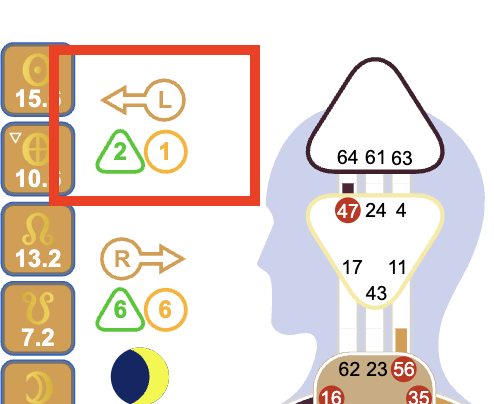
Your digestion type is determined by the top left arrow in your Human Design bodygraph, located near the head center. This arrow reveals the specific way your body and brain are designed to take in and process both physical and informational nourishment. The direction of the arrow (left or right) and its corresponding color (1-6) create your unique digestion profile.
Understanding your digestion type connects you to the Primary Health System within Human Design, which recognizes that optimal health isn’t one-size-fits-all. Your digestion type influences everything from your meal timing and food temperature preferences to your ideal work environment and learning style.
The profound insight of Human Design digestion is that how you process food directly parallels how you process information. When you eat in alignment with your design, you’re simultaneously optimizing your brain’s ability to think clearly, make decisions, and absorb new knowledge. This is why people often report dramatic improvements in mental clarity and focus when they begin honoring their digestion type.
How to Find Your Human Design Digestion Type
To discover your digestion type, you’ll need your complete Human Design chart. If you don’t have yours yet, you can generate it for free at freehumandesignchart.com using your birth date, time, and location.
Once you have your chart, locate the top left arrow near the head center. This arrow represents your digestion type and will point either left or right:
Left-pointing arrows indicate Active digestion patterns. These designs typically require more structure, consistency, and regular nourishment. Active digestion types often thrive with routine meal times and steady energy input throughout the day.
Right-pointing arrows indicate Passive digestion patterns. These designs are more flexible and intuitive, often naturally gravitating toward irregular eating patterns or fasting periods. Passive digestion types tend to eat when hungry and fast when not, following their body’s natural rhythms.
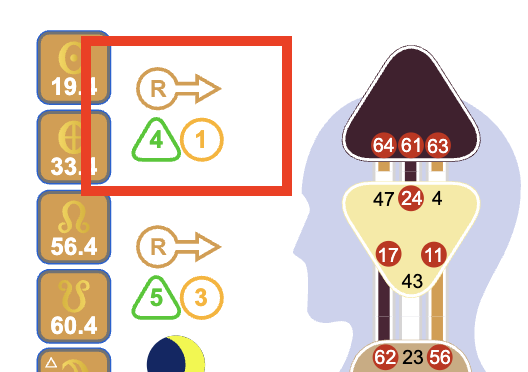
The arrow is also associated with a color number from 1-6, which determines your specific digestion category:
- Color 1: Consecutive or Alternating (Appetite)
- Color 2: Open or Closed (Taste)
- Color 3: Hot or Cold (Thirst)
- Color 4: Calm or Nervous (Touch)
- Color 5: High or Low (Sound)
- Color 6: Direct or Indirect (Light)
The 12 Human Design Digestion Types: Essential Overview
Appetite Types: The Foundation of Your Intake Patterns
Consecutive Appetite (Active/Left Arrow)
Consecutive appetite represents the most structured approach to digestion. If you have this type, your system is designed to process one ingredient at a time, eating foods sequentially rather than mixing them together. Think of eating your salad completely, then your protein, then your grains—rather than taking bites of everything in rotation.
This extends beyond food into information processing. Consecutive types learn best when they can focus on one subject, project, or task at a time. Multitasking often leaves them feeling scattered and overwhelmed. In work environments, they excel when given clear, linear processes and dedicated time blocks for different activities.
Sarah, a marketing consultant with consecutive appetite, discovered that her afternoon brain fog disappeared when she stopped eating complex salads with multiple ingredients. Instead, she began eating simple meals—first her vegetables, then her protein, then her healthy fats. Her focus during client calls improved dramatically, and she found herself naturally wanting to tackle one project completely before moving to the next.
Alternating Appetite (Passive/Right Arrow)
Alternating appetite thrives on flexibility and intuitive eating patterns. These individuals naturally gravitate toward smaller, more frequent meals and often do well with intermittent fasting. Their appetite fluctuates unpredictably, and they’re designed to honor these natural rhythms rather than forcing structured meal times.
For information processing, alternating types benefit from varied learning approaches and can handle multiple input streams simultaneously. They often prefer dynamic work environments where they can shift between different tasks based on their energy and interest levels.
Taste Types: Your Selectivity Patterns
Open Taste
Open taste individuals are designed to experiment with a wide variety of foods and flavors. They may go through phases of trying new cuisines or ingredients before settling into preferences. This experimental approach extends to how they consume information—they benefit from diverse sources and learning modalities.
Open taste types often eat seasonally, naturally craving different foods as the seasons change. They’re designed to explore and discover what works for them through trial and experience.
Closed Taste
Closed taste types are naturally selective about food and often prefer familiar flavors and preparations. They’re designed to stick with what they know works for their system. This isn’t being “picky”—it’s following their body’s wisdom about what nourishes them best.
Marcus, a software developer with closed taste, spent years feeling guilty about his “limited” food preferences. Once he understood his design, he embraced his natural tendency to eat the same few meals he genuinely enjoyed. His digestion improved, and he found he could focus better on complex coding projects when he wasn’t fighting his natural selectivity.
In information processing, individuals with closed taste types tend to prefer consistent sources and learning methods. They often have favorite teachers, books, or educational formats that they return to repeatedly.
Thirst Types: Temperature Sensitivity
Hot Thirst
Hot thirst individuals process warm and hot foods and beverages more efficiently than cold ones. Their system is designed to consume foods and drinks that are above body temperature. This includes warm meals, hot tea, soup, and freshly cooked foods rather than cold salads or iced drinks.
The hot thirst pattern extends to their environment—they often prefer warmer climates and may need additional warmth to feel comfortable and focused.
Cold Thirst
Cold thirst types thrive on cool and cold foods and beverages. They’re designed to consume foods below body temperature—fresh salads, cold smoothies, raw foods, and cool drinks. Hot foods may feel heavy or difficult to digest for individuals with cold thirst.
Cold thirst types often have naturally higher body temperatures and may prefer cooler environments for both eating and working. They frequently feel more alert and focused in air-conditioned spaces or during cooler seasons.
Touch Types: Environmental Energy Sensitivity
Calm Touch
Calm touch individuals require peaceful, emotionally neutral environments to digest food and information optimally. They’re highly sensitive to the emotional energy around them while eating and learning. Stressful dinner conversations or tense work meetings can significantly impact their ability to process and absorb what they’re taking in.
Lisa, a financial advisor with calm touch, noticed she felt physically uncomfortable eating in loud, chaotic restaurants. She began choosing quieter venues for business lunches and found that both her digestion and her ability to connect with clients improved significantly.
Nervous Touch
Nervous touch types actually thrive with some level of stimulation and activity around them while they eat and process information. They may prefer eating while conversing, listening to music, or even while walking. Complete silence or stillness can make them feel restless or unable to fully engage with their food or tasks.
These individuals often work well in more dynamic environments and may find that some background activity helps them focus rather than distracts them.
Sound Types: Auditory Environment Preferences
High Sound
High sound types process food and information best in environments with significant ambient noise or activity. They may prefer eating in bustling restaurants, working with background music, or learning through audio formats. Quiet environments can leave them feeling understimulated and unable to fully engage.
High sound individuals often eat more frequently throughout the day and may naturally graze or snack rather than eat large, structured meals.
Low Sound
Low sound types require quiet, peaceful auditory environments to process information optimally. Excessive noise during meals can disrupt their digestion, and they often prefer silent or very quiet spaces for both eating and focused work.
These individuals typically eat less frequently and may naturally gravitate toward fewer, more substantial meals rather than constant snacking.
Light Types: Timing and Illumination Sensitivity
Direct Light
Direct light individuals are designed to eat their main meals during daylight hours when the sun is up. Their digestive system works most efficiently with natural sunlight, and they often feel most energized and focused during daytime hours. They typically prefer larger breakfasts and lunches, with lighter dinners, and often sleep better on an empty stomach.
James, a project manager with direct light digestion, struggled with late-night eating habits that left him feeling groggy the next morning. When he shifted to eating his largest meal at lunch and having light dinners before sunset, his morning energy and mental clarity improved dramatically.

Direct light types often eat more during summer months when daylight hours are longer and may naturally reduce their food intake during winter. They typically process information best during daylight hours and may find their thinking becomes less sharp after dark.
Indirect Light
Indirect light individuals thrive when eating their main meals during darker hours or in low-light environments. They’re natural night owls who often aren’t hungry in the morning but develop stronger appetites as the day progresses. They typically sleep better with some food in their system and may naturally prefer heavier dinners.
These individuals often eat more during winter months when days are shorter and may find their appetite naturally decreases during long summer days. They frequently do their best thinking and creative work in the evening or nighttime hours.
For those with Gates 42 and 53 in their chart, healthy fats are particularly important for brain function and overall health. Individuals with Gates 9 and 52 typically require a higher protein intake to feel satisfied and maintain stable energy levels. Individuals with Gates 3 and 60 may naturally crave more carbohydrates and need to ensure they’re getting quality sources to support their energy needs.
Implementing Your Human Design Digestion
The Experimentation Approach
Start with a 7-day experiment focusing on one aspect of your digestion type. If you’re a hot thirst type, spend a week consuming only warm beverages and foods. If you’re calm touch, eat in peaceful environments without stimulation. Pay attention to your energy levels, mental clarity, and overall sense of well-being.
After the initial week, gradually expand your experimentation to include other aspects of your type. Notice patterns in when you feel most energized, focused, and satisfied after meals.
Environmental Modifications
Your digestion type influences your ideal work environment as much as your eating environment. Calm touch types benefit from private offices or quiet corners in shared spaces. Individuals with nervous touch types may thrive in more active and collaborative environments.
Sound types should carefully consider their auditory environment. High sound individuals might work better with background music or in busier areas, while low sound types need quieter spaces to maintain focus and process information effectively.
Light types should pay attention to their workspace lighting and timing. Direct light individuals benefit from natural light during work hours and may want to schedule important meetings and tasks during daylight. Indirect light types may prefer dimmer environments and often do their best work during evening hours.
Integration with Your Human Design Foundation
Your digestion type works in harmony with your Type, Strategy, and Authority. A Generator with consecutive appetite might find that eating structured, simple meals helps them maintain the consistent energy they need to respond to life’s opportunities. A Projector with calm touch may discover that peaceful meal environments support their need for rest and recognition.
Remember that your Authority—your decision-making process—can guide you in food choices just as it guides other life decisions. An emotionally defined person might notice that their food preferences change in tandem with their emotional state. At the same time, someone with a strong sense of intuition might get instant gut reactions about what to eat.
The Connection Between Human Design Digestion and Information Processing
One of the most profound aspects of Human Design digestion is understanding that how you process food directly mirrors how you process information. This insight can transform not only your eating habits but also your approach to learning, working, and consuming media.
Consecutive types who eat one ingredient at a time often learn best when they can focus on one topic or project without interruption. They may prefer reading one book completely before starting another or diving deep into a single subject rather than trying to learn multiple things simultaneously.
Alternating types who naturally graze throughout the day often thrive with varied information sources and can handle multiple learning streams. They might enjoy switching between different podcasts, books, or courses based on their interest and energy levels.
Temperature preferences also extend to information consumption. Hot thirst types might prefer “warm” information—personal conversations, live events, or fresh content. Cold thirst types may gravitate toward “cooler” information—written materials, recorded content, or time to process before responding.
This understanding becomes particularly valuable in workplace settings. A calm touch employee might struggle in open offices with constant interruption, while a nervous touch colleague thrives in that same dynamic environment. Recognizing these differences can improve team collaboration and individual productivity.
Frequently Asked Questions (FAQs) about Human Design Digestion
How do I know if I’m following my digestion type correctly?
Signs of alignment include improved energy levels throughout the day, better mental clarity and focus, easier digestion, and a general sense that eating feels more satisfying and nourishing. Signs of misalignment might include brain fog, energy crashes after meals, digestive discomfort, or feeling unsatisfied even after adequate nutrition. Most people notice some changes within a few days to a week of experimentation, with deeper benefits emerging over several weeks of consistent practice.
What if my digestion type doesn’t match how I currently eat?
This is common and often reflects years of conditioning from family patterns, cultural norms, or diet trends that weren’t aligned with your unique design. Approach the transition gradually, experimenting with one aspect at a time rather than overhauling everything at once. Your body may need time to adjust to new patterns, especially if you’ve been eating against your design for many years. Trust the experimentation process and pay attention to how you feel rather than forcing dramatic changes.
Can I ignore my digestion type if I feel fine eating differently?
While you might feel “fine” eating against your type, there’s often a significant difference between functioning adequately and thriving optimally. Many people don’t realize they’ve been operating below their potential until they experience the clarity and energy that comes with aligned eating. Consider experimenting for a few weeks to see if you notice improvements in areas like mental clarity, sustained energy, or overall satisfaction with meals.
How does Human Design digestion relate to medical dietary restrictions?
Human Design digestion works in conjunction with medical requirements rather than replacing them. If you have food allergies, intolerances, or medical conditions requiring specific diets, your digestion type provides additional guidance for how to implement those requirements optimally. For example, a diabetic with hot thirst would focus on warm preparations of their medically appropriate foods. Always consider your medical dietary requirements when exploring your Human Design patterns.
Do I need to follow my digestion type 100% of the time?
Aim for consistency about 80% of the time while allowing flexibility for social situations, travel, or practical limitations. The goal is progress, not perfection. Pay attention to which aspects of your type have the most significant impact on how you feel and prioritize those. You might find that meal timing matters more than food temperature, or that your environmental needs are more critical than specific food combinations.
How long does it take to see results from following my digestion type?
Some people notice immediate effects within days, particularly improvements in energy levels and mental clarity. Digestive improvements and sleep changes often become apparent within one to four weeks. Longer-term benefits, such as sustained energy patterns, improved productivity, and overall health optimization, may take several months of consistent practice. Individual responses vary based on how far your current habits are from your design and your overall health status.
Can children follow their Human Design digestion type?
Children can absolutely benefit from understanding their digestion type, though implementation should be age-appropriate and flexible. Young children naturally tend to follow their body’s signals more than adults, so they may already be expressing some aspects of their design. Work with family meal dynamics rather than creating separate meals, and focus on timing, environment, and general approaches rather than strict rules. School lunch programs and social eating situations require practical flexibility.
What’s the difference between digestion and determination?
These terms refer to the same concept. “Digestion” is the more commonly used term in current Human Design education, while “Determination” is the technical term from the Primary Health System. Both describe how you’re designed to take in and process food and information optimally. The terms are used interchangeably, and you may see both in different Human Design resources and teachings.
Troubleshooting Your Digestion and Next Steps
If you’re not seeing the results you expected, consider whether you’re implementing the most impactful aspects of your type first. For many people, timing and environment matter more than specific food choices. Light types often see the most dramatic changes when they align their meal timing with their natural rhythms.
Remember that your digestion type is one piece of your Human Design puzzle. It works most effectively when combined with living according to your Type, Strategy, and Authority. If you’re still learning these foundational elements, focus on those first while gently experimenting with your digestion patterns.
For travel and social situations, strive to honor your design while maintaining flexibility. Even partial alignment—eating your largest meal at the right time of day or choosing environments that support your touch and sound needs—can make a significant difference in how you feel and function.
Understanding and implementing your Human Design digestion type offers a pathway to enhanced well-being that honors your unique design rather than forcing you into generic health recommendations. As you experiment with these patterns, you’re likely to discover not only improvements in your physical health and energy but also enhanced mental clarity, better decision-making, and a deeper sense of alignment with your authentic self.
Your digestion type is a sophisticated guidance system that extends far beyond food choices into how you optimally interact with your environment and process the constant stream of information in modern life. By honoring these patterns, you create the foundation for sustained energy, clear thinking, and the kind of vitality that supports you in living your Human Design to its fullest potential.
Human Design Digestion – What is Yours?
Get Your FREE Human Design Chart to check it out.
Why not download your FREE Human Design chart here to find out?
Remember that we all have ALL of the chart. If the Gate is colored in or defined, it’s part of your Soul Curriculum. If it’s white or undefined, it means you learn about this Gate through relationships with others or through the Transits.
At its core, Human Design is a unique system that offers profound insights into your inner self and how you interact with the world around you. Your Human Design chart is a valuable tool that can help you understand your true nature, discover your strengths and weaknesses, and unlock your full potential.
By downloading and reviewing your unique Human Design Chart you are embarking on a journey of self-discovery that will empower you to make conscious choices in all aspects of your life. Your chart is an Energy Blueprint of your unique energy configuration and contains valuable information about your personality traits, your natural talents, and your life purpose. With this knowledge, you’ll navigate life’s challenges with greater ease and clarity.
Human Design is a deeply empowering system that encourages us to embrace our true selves, rewrite our personal narrative, and live in alignment with our inner wisdom. When we align with our authentic nature, we tap into a wellspring of creativity, joy, and fulfillment that flows effortlessly through us.
There’s More – How To Learn More About Human Design
If you are trying to learn and apply Human Design to your life circumstances, but traditional Human Design rings a little off-key, you don’t quite connect with it, or it feels heavy as you read it. We invite you to explore training options with Quantum Human Design, internationally respected and time-tested training courses.
These courses will empower you to create a life filled with more money, better relationships, health and vitality, a rewarding career, and experience profound personal transformation.
Do you want to unlock the secrets of Quantum Human Design?
Why not join our on-demand Masterclass and discover the Transformative Power of Quantum Human Design
Curious about the difference between Human Design and Quantum Human Design? Karen Curry Parker explains it in this video:
BOOK NEWS
Quantum Wellness: Healing Your Mind, Body, and Spirit with Human Design

This comprehensive guide teaches readers to:
- Interpret bodily signals and uncover root causes of imbalance
- Utilize individual energetic blueprints for optimal well-being
- Transform limiting beliefs to align with one’s authentic self
Dr. Parker provides practical tools to unlock potential and create purposeful, vibrant lives.
This essential resource addresses core issues beyond symptoms, guiding readers on a transformative journey of self-realization and deep healing.
This book blends ancient Human Design wisdom with quantum physics, offering a revolutionary approach to holistic healing and personal transformation. Ideal for holistic practitioners, Human Design enthusiasts, and self-discovery seekers.