Human Design Environment
While Quantum Human Design and Dr. Karen Parker do not teach Mountains Environment, you may encounter these terms in your journey with Human Design. Quantum Human Design encourages you to always assess information using your Strategy and Authority in determining how to apply, or not apply, this information to your life’s path
Recent studies on environmental psychology suggest that our surroundings can influence everything from cognitive function to stress levels, with some research indicating up to a 15% difference in productivity based solely on environment optimization.
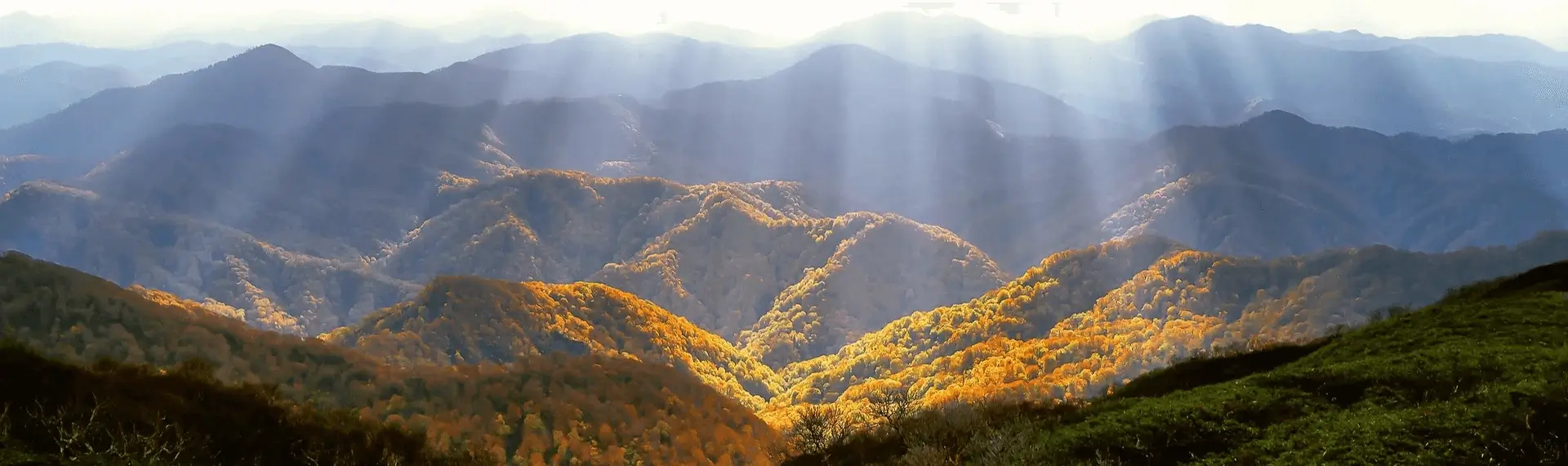
This comprehensive guide focuses specifically on the Mountains environment type – a landscape environment characterized by elevation, perspective, and the unique qualities that come with higher altitudes. Understanding this environment type can be transformative for those who resonate with it, leading to improved decision-making, enhanced well-being, and a deeper connection to one’s authentic self.
The Mountains Environment in Human Design
The Mountains environment in Human Design represents more than just physical elevation—it embodies a particular way of experiencing and interacting with the world. At its essence, the Mountains environment is characterized by perspective, distance, and clarity. Those who thrive in this environment naturally seek vantage points that allow them to observe and understand the broader landscape of their lives and the world around them.
From a physiological standpoint, Mountain environments are associated with specific conditions: lower oxygen levels, cleaner air, and reduced atmospheric pressure. While these physical characteristics matter, the Mountains environment in Human Design is equally about the mental and energetic aspects of elevation—the ability to rise above immediate circumstances and gain a more comprehensive understanding.
Mountains environments come in two primary variations:
Active Mountains:
This variation is suited for those who thrive in intellectually stimulating environments that provide mental elevation. Active Mountains people often excel in high-rise buildings, academic settings, or any environment that challenges them to think at higher levels. Their elevation is as much mental as it is physical.
Passive Mountains:
More aligned with traditional mountain settings, those with the Passive Mountains designation benefit from physical elevation, reduced social density, and natural surroundings. They often need literal perspective—views, outlooks, and the ability to see the broader landscape—to feel at ease.
Throughout history, mountains have held spiritual significance across cultures. From Mount Olympus in Greek mythology to Mount Kailash in Hinduism and Buddhism, elevated places have been associated with divine wisdom, clarity, and transcendence. This historical context resonates with the Human Design understanding of Mountains environments as places of insight and perspective.
The Mountains environment in Human Design represents the first of the landscape categories, marking a transition from the more contained hardscapes (Caves, Markets, Kitchens) to environments that emphasize the relationship between the individual and the broader world. This transitional position gives Mountains people a unique capacity to bridge personal experience with universal patterns—seeing both the trees and the forest, as it were.
Identifying If You’re a Mountains Person
Determining whether you have a Mountains environment in your Human Design chart is straightforward if you know where to look. Your environment variable appears as a number in the yellow circle under the bottom arrow on the left side of your chart (though the exact location may vary depending on which platform you use to generate your chart).
Beyond the chart designation, Mountains people often exhibit distinctive characteristics that manifest even before they’re aware of their Human Design. You might be a Mountains person if:
- You feel most clear-headed and at peace when you can see a broad view or perspective
- You frequently seek solitude to process information and experiences
- You naturally take breaks from social interaction to “get above” situations
- You’re drawn to elevated spaces—high-rise apartments, hillsides, or actual mountains
- You notice that your breathing feels different (often better) at higher elevations
- You’ve been called “detached” or “aloof” but feel you’re simply gaining necessary perspective
- You regularly feel the need to “retreat” to regain clarity
- You’re particularly sensitive to air quality and oxygen levels
- You thrive when you can observe situations from a distance before engaging
Compared to other environment types, Mountains people differ notably from their landscape counterparts. While Valleys people thrive on acoustic resonance and community, and Shores people need the rhythmic patterns of water and transition, Mountains people uniquely require elevation and perspective. Unlike the hardscape environments (Caves, Markets, Kitchens) that focus on immediate surroundings, Mountains people consider how they relate to broader landscapes and horizons.
To generate your Human Design chart and discover if Mountains is your environment type, numerous online resources offer free chart calculations. Most will specify your environment directly, though some may require you to identify the number in the yellow circle mentioned above and reference a key to determine your environment type.
The Physiological Impact of the Mountains Environment
The connection between Mountains environments and physical wellbeing runs deeper than mere preference—it’s rooted in biology and physiology. For Mountains people, the relationship with breathing and respiratory function is particularly significant. At higher elevations, the air contains less oxygen per volume, requiring deeper, more intentional breathing. This naturally encourages Mountains people to engage more fully with their respiratory system, often resulting in better oxygen utilization even when not at high altitudes.
Mountains environments also impact the nervous system in notable ways. The reduced social stimulation, quieter soundscapes, and broader vistas typical of elevated spaces tend to shift Mountains people toward parasympathetic (rest and digest) nervous system activation, away from the sympathetic (fight or flight) mode that can dominate in busier, more confined environments. This shift allows for better stress management, improved cognitive function, and enhanced decision-making capabilities.
Research on air quality demonstrates clear links between cleaner air (typically found at higher elevations) and improved cognitive performance. A Harvard study found that cognitive function scores were 61% higher in environments with better air quality, suggesting that the Mountains person’s preference for cleaner, less dense air may directly support their mental capacity.
There’s also emerging evidence suggesting that certain individuals may have a biologically based need for visual space and perspective. Studies in environmental psychology indicate that views of expansive natural landscapes trigger the release of feel-good neurotransmitters like dopamine and serotonin, with some individuals showing heightened sensitivity to these effects. For Mountains people, this heightened response may explain why having a view isn’t just a luxury—it’s a necessary component of their wellbeing.
The oxygen relationship for Mountains people extends beyond simple breathing mechanics to include the body’s overall oxygen processing efficiency. Some researchers speculate that Mountains individuals may actually have slightly different hemoglobin structures or lung capacities that optimize oxygen uptake at varying altitudes, though more research is needed in this area.
Creating Your Optimal Mountains Environment
Designing living and working spaces that honor the Mountains environment doesn’t necessarily require relocating to a hillside cabin (though that would certainly work for many). Instead, it involves incorporating key elements that provide the perspective, elevation, and air quality that Mountains people naturally crave.
For home design, consider these principles:
- Prioritize height whenever possible—upper floors of buildings, hillside properties, or homes with varied elevation within the space itself
- Create at least one area with an expansive view, even if it’s just a well-placed window overlooking a garden
- Install larger windows that bring distant horizons into your daily visual field
- Use color schemes that create a sense of spaciousness—lighter colors for walls with selective darker accents
- Incorporate plants that improve air quality and create visual layers
- Design multi-level spaces within your home, if possible, with reading nooks or meditation spaces at the highest points
- Keep clutter minimal, especially in spaces where you need to think clearly
- Consider vaulted ceilings to create vertical space when horizontal space is limited
Workspace optimization for Mountains people focuses on creating mental and physical elevation:
- Request higher floors if working in an office building
- Position your desk to face windows with the broadest possible view
- If views aren’t available, use nature photography of expansive landscapes as wall art
- Create a standing desk option to literally elevate your position
- Ensure good ventilation and air circulation
- Take regular breaks to physically move to higher vantage points
- Use air-purifying plants like snake plants or peace lilies to improve oxygen quality
- Incorporate upward-facing lighting that creates a sense of height
For Mountains people living in urban environments without natural elevation, creative solutions become essential:
- Seek rooftop access for regular perspective breaks
- Join a gym or co-working space on upper floors of buildings
- Create a “horizon wall” using horizon-line photography
- Install a ceiling-mounted projector that can display moving skyscapes
- Use virtual reality tools with mountain hiking experiences
- Visit elevated urban parks and observation decks regularly
- Consider apartment buildings with community rooftop spaces
- Utilize air purification systems to compensate for urban air quality
Technology and tools that can enhance the Mountains experience include:
- Air quality monitors to optimize your breathing environment
- Smart home systems that regulate ventilation based on CO2 levels
- Lighting systems that mimic natural daylight from above
- Soundscape apps featuring high-altitude nature sounds
- Breathing apps that guide mountain-style, deeper breathing
- VR systems with panoramic nature experiences
- Adjustable furniture that allows for varied heights
- Indoor vertical gardens that improve air quality while adding visual elevation
Lifestyle Practices for Mountains People
Beyond environmental design, Mountains people benefit from incorporating specific practices into their daily routines that honor their need for perspective and optimal oxygen exchange.
Daily rituals that maintain perspective include:
- Starting the day with a “perspective moment”—spending at least five minutes looking at the farthest horizon available to you
- Practicing altitude breathing—deep diaphragmatic breathing that mimics the breathing patterns naturally adopted at higher elevations
- Scheduling strategic “elevation breaks” throughout your day to physically move to higher points or mentally step back from situations
- Ending your day with reflection from a “bird’s eye view”—considering events and challenges from a broader perspective
- Maintaining a “perspective journal” where you practice viewing challenges from multiple elevations and distances
For Mountains people, travel takes on special significance as a way to literally gain new perspectives.
Consider incorporating these elements into your travel planning:
- Prioritize destinations with significant elevation changes
- Plan viewpoint stops along your journey, not just at destinations
- Schedule “perspective days” during trips specifically for observation rather than activity
- Consider regenerative travel approaches that benefit mountain ecosystems and communities
- Look for accommodations with panoramic views, even if they come at a premium
- Explore mountain retreats specifically designed for contemplation and broadened perspective
Breathwork practices, particularly beneficial for Mountains people include:
- Pranayama techniques that emphasize full oxygen exchange
- Altitude adaptation breathing exercises, even when at lower elevations
- Box breathing for mental clarity during periods of stress
- Outdoor breathing meditations in the highest-elevation settings available
- Nostril-focused breathing that enhances the connection between breath and thought
- Breath-sound practices that use the auditory feedback of breath to center attention
The challenge for many Mountains people lies in balancing their need for solitude and perspective with community engagement.
Effective strategies include:
- Scheduling social interactions after perspective-gaining activities
- Creating clear boundaries around your “elevation time”
- Finding community with fellow Mountains people who understand your needs
- Hosting gatherings in elevated spaces where you feel comfortable
- Practicing “perspective taking” in relationships—using your natural ability to see the bigger picture to enhance empathy
- Communicating your need for space as a way to be more present when engaged
Career paths that naturally align with Mountains energy often involve oversight, planning, strategy, or literal elevation:
- Strategic planning and advisory roles
- Research positions that require synthesizing broad information
- Creative direction that demands both vision and detail management
- Crisis management where seeing the bigger picture is essential
- Roles in aviation, astronomy, or meteorology
- Architecture and landscape design
- Environmental conservation, especially in mountain ecosystems
- Writing, particularly genres requiring a broad perspective
- Teaching and mentoring roles that require seeing potential and patterns
Common Challenges and Solutions
Mountains people face specific challenges in our modern world, where elevation, perspective, and clean air aren’t always readily available. Recognizing these challenges is the first step toward creating effective solutions.
When physical mountains or high-rise living isn’t possible:
- Create “mental mountains” through visualization practices
- Use large-scale landscape photography to trick your brain into experiencing vastness
- Install skylights or ceiling windows to create vertical visual space
- Build elevated platforms within your living space, even if modest in height
- Practice “psychological distancing” techniques from positive psychology
- Use virtual reality experiences of mountain environments
- Schedule regular visits to the highest accessible points in your area
- Create a dedicated “perspective corner” with upward-facing lighting and horizon imagery
Dealing with crowded or low-lying environments presents particular challenges:
- Identify “micro-elevations” within your environment—any slightly raised area
- Schedule more frequent but shorter breaks to mentally elevate
- Use noise-canceling headphones to reduce the sensory input that can prevent perspective
- Practice ceiling gazing as a quick perspective reset
- Keep a “perspective token”—a small object that reminds you to mentally step back
- Develop breathing techniques that work effectively even in crowded spaces
- Create a mental “elevation ladder” with practiced steps to achieve psychological distance
Balancing Mountains needs with family and work obligations requires creativity:
- Communicate your environment needs clearly, but without the expectation that others fully understand
- Create family rituals that incorporate perspective-taking for everyone’s benefit
- Negotiate specific times for your elevation needs versus full engagement
- Bring elements of your ideal environment to family activities when possible
- Look for win-win solutions where your perspective benefits group decision-making
- Teach simplified perspective techniques to family members as stress-management tools
- Recognize when compromise is necessary and schedule compensation time afterward
Seasonal variations and weather impacts affect Mountains people distinctly:
- Winter often brings clearer air but less outdoor access—create indoor elevation alternatives
- Summer heat can drive Mountains people indoors—look for air-conditioned high points
- Foggy or cloudy weather removes visual perspective—rely more on mental elevation during these periods
- Seasonal allergies can impact breathing—invest in high-quality air filtration
- Extreme weather events may trigger perspective-seeking as a coping mechanism—honor this while ensuring safety
- Seasonal light changes affect mood—use full-spectrum lighting in elevation spaces during darker months
Honoring Your Mountains Environment
The Mountains environment in Human Design represents far more than a simple preference for elevation—it embodies a fundamental approach to experiencing and interpreting the world. For those with this environment designation, aligning their surroundings and practices with their innate need for perspective, elevation, and optimal breathing can transform every aspect of life, from productivity and creativity to relationships and well-being.
The key insights from this guide emphasize that:
- Mountains environments support cognitive clarity and decision-making through perspective
- Physical elevation often creates both physiological and psychological benefits
- Creating Mountains environments is possible even in non-mountainous settings
- The need for perspective and occasional retreat is not antisocial but necessary for Mountains people
- Relationships thrive when Mountains individuals’ environment needs are understood and honored
- Career satisfaction correlates strongly with environment alignment
Immediate steps you can take to honor your Mountains environment include:
- Evaluate your current living and working spaces for perspective opportunities
- Create at least one dedicated elevation space, however modest
- Implement regular perspective breaks in your daily schedule
- Experiment with different breathing techniques to find what optimizes your oxygen exchange
- Communicate your environment needs clearly to those close to you
- Begin noticing how your clarity and well-being correlate with your environment
The understanding of Human Design environments continues to evolve, with ongoing research expanding our knowledge of how these innate preferences affect everything from neurochemistry to social dynamics. As this field develops, Mountains people can look forward to increasingly sophisticated approaches to environment optimization.
The journey of aligning with your Mountains environment is not about separation from others or the world but rather about positioning yourself optimally to contribute your unique gifts of perspective, pattern recognition, and clear-sighted vision. When Mountains people honor their environmental needs, everyone benefits from their enhanced capacity to see what others might miss and to contextualize immediate concerns within broader patterns.
By understanding and embracing your Mountains environment, you’re not just enhancing your personal well-being—you’re positioning yourself to fulfill your authentic purpose with greater ease, clarity, and impact.
Mountains Environment in Human Design – Do You Have This in Your Chart?
Get Your FREE Human Design Chart to check it out.
Why not download your FREE Human Design chart here to find out?
Remember that we all have ALL of the chart. If the Gate is colored in or defined, it’s part of your Soul Curriculum. If it’s white or undefined, it means you learn about this Gate through relationships with others or through the Transits.
At its core, Human Design is a unique system that offers profound insights into your inner self and how you interact with the world around you. Your Human Design chart is a valuable tool that can help you understand your true nature, discover your strengths and weaknesses, and unlock your full potential.
By downloading and reviewing your unique Human Design Chart you are embarking on a journey of self-discovery that will empower you to make conscious choices in all aspects of your life. Your chart is an Energy Blueprint of your unique energy configuration and contains valuable information about your personality traits, your natural talents, and your life purpose. With this knowledge, you’ll navigate life’s challenges with greater ease and clarity.
Human Design is a deeply empowering system that encourages us to embrace our true selves, rewrite our personal narrative, and live in alignment with our inner wisdom. When we align with our authentic nature, we tap into a wellspring of creativity, joy, and fulfillment that flows effortlessly through us.
There’s More – How To Learn More About Human Design
If you are trying to learn and apply Human Design to your life circumstances, but traditional Human Design rings a little off-key, you don’t quite connect with it, or it feels heavy as you read it. We invite you to explore training options with Quantum Human Design, internationally respected and time-tested training courses.
These courses will empower you to create a life filled with more money, better relationships, health and vitality, a rewarding career, and experience profound personal transformation.
Do you want to unlock the secrets of Quantum Human Design?
Why not join our on-demand Masterclass and discover the Transformative Power of Quantum Human Design
Curious about the difference between Human Design and Quantum Human Design? Karen Curry Parker explains it in this video:
BOOK NEWS
Quantum Wellness: Healing Your Mind, Body, and Spirit with Human Design

This comprehensive guide teaches readers to:
- Interpret bodily signals and uncover root causes of imbalance
- Utilize individual energetic blueprints for optimal well-being
- Transform limiting beliefs to align with one’s authentic self
Dr. Parker provides practical tools to unlock potential and create purposeful, vibrant lives.
This essential resource addresses core issues beyond symptoms, guiding readers on a transformative journey of self-realization and deep healing.
This book blends ancient Human Design wisdom with quantum physics, offering a revolutionary approach to holistic healing and personal transformation. Ideal for holistic practitioners, Human Design enthusiasts, and self-discovery seekers.