While Quantum Human Design and Dr. Karen Parker does not teach Markets Environment; you may encounter these terms in your journey with Human Design. Quantum Human Design encourages you to always assess information using your Strategy and Authority in determining how to apply, or not apply, this information to your life’s path
Have you ever felt instantly energized in a bustling café but drained in a quiet library? Or perhaps you’re constantly refreshing your social media or physical surroundings, always on the lookout for what’s new and exciting? If so, you might have a Markets Environment in your Human Design.
Many people are aware that their environment isn’t just about where they live—it’s part of the energetic spaces where they naturally thrive. And if you’re a Markets person, understanding this aspect of your design can be transformative.
What Is a Markets Environment in Human Design?
The Markets Environment is one of six environment types in Human Design (along with Caves, Kitchens, Mountains, Valleys, and Shores). At its core, the Markets Environment is all about freshness and dynamic exchange.
Think about traditional marketplaces—bustling spaces filled with different sights, sounds, smells, and energies. Places where transactions happen, where things and ideas are exchanged, and where there’s always something new to discover.
If you have a Markets Environment in your Human Design, you’re naturally drawn to these kinds of energetic spaces. Not necessarily literal markets (though you might love those too!), but any environment that offers variety, freshness, and the opportunity to select what feels right for you.
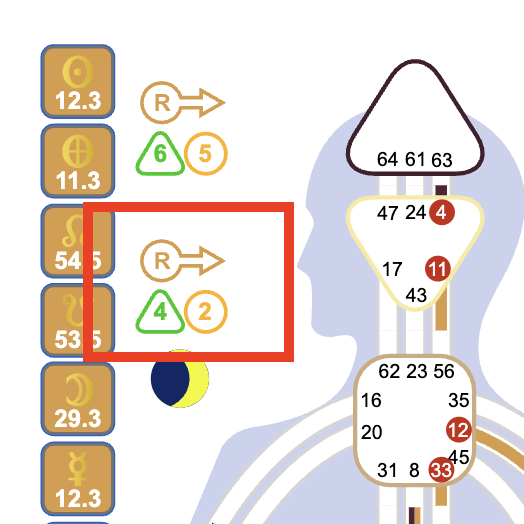
There are two variations of the Markets Environment:
- External Markets
(right-facing arrow in your chart) – You’re here to observe. You thrive when you can watch dynamic exchanges happening around you. You need to witness variety and have options.
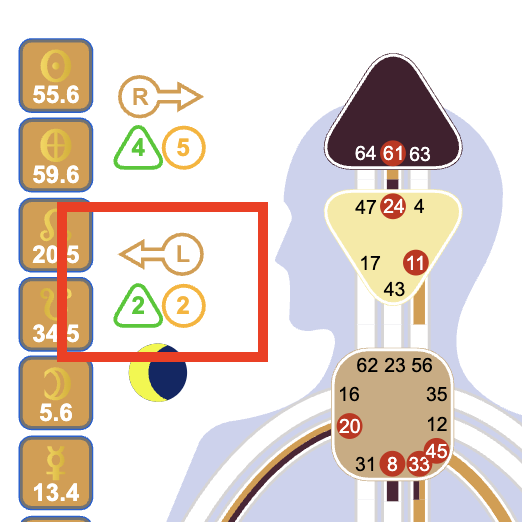
- Internal Markets
(left-facing arrow in your chart) – You’re here to be observed. You flourish when you’re busy within your environment, perhaps running a home-based business or being the center of activity.
How to Know If You’re a Markets Person (Even Without Consulting Your Chart)
Not sure if Markets is your environment? Here are some telltale signs:
- You crave variety and freshness in all aspects of life
- You have very specific preferences and know immediately what you like and don’t like
- You’re drawn to seasonal changes and are sensitive to when things are “in” or “out” of season
- You feel energized in bustling, dynamic spaces with lots of options
- You become drained when surrounded by “stale” energy or when things haven’t changed for too long
- You’re naturally selective about what you bring into your life
- You might have strong opinions about taste (both literal taste in food and figurative taste in style, decor, etc.)
If several of these resonate with you, you might well have a Markets Environment, regardless of whether you’ve had your Human Design chart read.
Why Your Environment Matters
Your Human Design Environment becomes particularly important after your Saturn Return (around age 30). This is when your body becomes more sensitive to whether it’s in the right environment.
When you’re in your correct environment:
- Your energy flows more easily
- You make better decisions
- You feel more creative and inspired
- Your body feels more relaxed and at ease
- You naturally meet the people and situations that help you grow
On the flip side, when you’re in an environment that doesn’t match your design, you might feel:
- Drained or fatigued for no apparent reason
- Anxious or unsettled
- Foggy or unable to think clearly
- Disconnected from your intuition
- Physically uncomfortable
This is why understanding your Human Design Environment is so powerful—it gives you permission to honor what your body naturally needs.
How to Create Your Ideal Markets Environment
Let’s get practical! Here’s how to bring more Markets energy into your daily life:
At Home
Your home should be a place that honors your need for freshness and variety. Try these approaches:
- Rotate decor seasonally – Swap out pillows, throws, artwork, or small decorative items to keep your space feeling fresh
- Create displays that you can easily change – Shelves with objects that can be rearranged, gallery walls that can be updated, etc.
- Avoid monotony – Different rooms can have different color schemes or styles
- Keep windows uncovered when possible – Markets people often love to observe what’s happening outside
- Set up your furniture to allow for different activities – Create zones for various purposes
Markets people often struggle with minimalism and capsule wardrobes—and that’s okay! Your system needs variety and freshness more than it needs rigid simplicity.

At Work
Your workspace can make or break your productivity as a Markets person. Consider:
- Positioning your desk near a window or with a view of activity
- Working in cafés or co-working spaces occasionally, if you need a change
- Rearranging your workspace regularly
- Having various projects going simultaneously to keep things interesting
- Taking breaks to browse, shop, or people-watch
Ideal careers often involve:
- Retail or sales
- Event planning
- Marketing and trends
- Food or fashion industries
- Travel-related work
- Any field that involves staying current with what’s new
Markets Environment and Your Relationships
Your environment also affects how you relate to others:
- You might love to be the designated chooser, having first pick of where to sit, what to order, etc.
- You need partners who understand your need for freshness – This doesn’t mean constantly changing partners! But perhaps bringing new experiences into established relationships
- You may be very selective about who you spend time with – and that’s healthy for you
- Group activities that involve browsing or selecting might energize you – Shopping trips, farmers markets, art fairs, etc.
- You might enjoy entertaining in ways that offer guests choices – Buffet-style meals, activity options, etc.
For parents of Markets children: Give them choices whenever possible. Let them have first pick of seats, food options, and activities. Honor their preferences, even if they seem particular or changing.
Health and Wellbeing for Markets People
Your environment affects your physical and mental health, too:
Nutrition:
You might benefit from:
- Seasonal eating
- Trying new foods regularly
- Farmers’ markets and fresh ingredients
- Variety in your diet
- Meal planning that allows for spontaneity
Exercise:
Consider:
- Changing up your routine regularly
- Activities with variety built in (circuit training, interval workouts)
- Exercising in stimulating environments (outdoor trails, busy gyms)
- Classes that change seasonally
Mental Health:
- Regular exposure to your correct environment can reduce anxiety and depression
- Honor your need to browse and select as a form of self-care
- Recognize when you’re in an environment that’s depleting you
When You Can’t Be in Your Ideal Environment
Life doesn’t always allow us to be in our perfect environment. When that happens:
- Create micro-environments – Even a small corner of your home or office can reflect your Markets energy
- Take regular breaks to environments that nourish you. Short visits to bustling spaces can recharge you
- Bring in sensory elements – Music, scents, textures that stimulate your senses
- Change what you can – Rearrange furniture, swap out accessories, change your desktop background
- Use technology – Window shopping online, virtual travel, or browsing may help in a pinch
Remember: An environment isn’t just a physical place—it’s an energy. You can create aspects of that energy even in less-than-ideal circumstances.
The Markets Environment Survival Kit
Here are essential practices for keeping your life “fresh” as a Markets person:
Daily Practices
- Start your day by making a selection that brings you joy (outfit, breakfast, music)
- Position yourself near windows or activity when possible
- Notice what feels “in season” today and align with it
- Give yourself permission to browse when you need to
Weekly Refreshes
- Rearrange something in your space
- Try a new restaurant, recipe, or experience
- Visit a place where you can observe variety (market, mall, busy park)
- Update something in your wardrobe or home
Seasonal Shifts
- Rotate your wardrobe, decor, and activities with the seasons
- Clear out anything that feels “stale” or no longer resonates
- Explore what’s new and current in areas that interest you
- Give yourself permission to change your preferences
Markets vs. Other Human Design Environments
To better understand your Markets Environment, it helps to contrast it with others:
Markets vs. Caves
While Caves people need security and protection (often preferring enclosed spaces with walls behind them), Markets people need stimulation and options. Caves energy contracts for safety; Markets energy expands for vitality.
Markets vs. Shores
Shores people thrive where two different environments meet (like water and land). Markets people don’t need this distinct transition but do need variety within their space.
Markets vs. Kitchens
Kitchens people thrive where transformation happens. While Markets people focus on selection and freshness, Kitchens people focus on process and change.
Markets vs. Mountains
Markets people seek variety and stimulation in their environment, thriving in spaces with many options and choices. Mountain people, by contrast, need elevation and perspective. They thrive when they can overlook their surroundings from a higher vantage point, seeking the clarity and broader view that height provides.
Markets vs. Valleys
Markets environments are about abundance, options, and diversity of choices. Valley environments offer containment and nurturing. Valley people feel most comfortable in spaces that embrace and hold them, providing a sense of being cradled in the environment. While Markets energy expands outward seeking stimulation, Valley energy gathers and collects.
Markets vs. Deserts
Markets environments are characterized by abundance and variety. Desert environments, however, provide clarity through simplicity and minimalism. Desert people thrive with fewer items, clean lines, and uncluttered spaces that allow for mental clarity and focus. Markets people might feel understimulated in a Desert person’s ideal environment.
Markets vs. Forests
While Markets people need variety and choices, Forest people need layers and depth in their environment. Forest people thrive in spaces with texture, patterns, and dimension. They appreciate environments with complexity and interconnection, while Markets people primarily value the diversity of options rather than their interconnectedness.
Frequently Asked Questions (FAQs) About the Markets Environment
Do I need to literally go to markets to honor my Markets Environment?
No! While actual markets (farmers markets, flea markets, etc.) might energize you, “Markets” refers more to the energy of a space where exchange happens, where there’s variety, and where selection is possible. This could be a busy coffee shop, a vibrant office, or even your own home if set up with plenty of options and fresh energy.
I’m a Markets person but also an introvert. Isn’t that a contradiction?
Not at all! Being a Markets person doesn’t necessarily mean you need to be surrounded by people all the time. Some Markets people are energized simply by observing activity from a comfortable distance. You might prefer a window seat in a café rather than being in the center of the room. Honor both your Markets needs and your introversion by finding spaces where you can observe without being overwhelmed.
My partner and I have different environments. How do we make our home work for both of us?
This is a common challenge! Try creating dedicated zones in your home that honor each person’s environmental needs. A Markets person might take charge of areas that change seasonally, while a Caves partner might have their secure, consistent space. Compromise, communication, and creativity are key. Remember that small adjustments can make a big difference.
How does the Markets Environment affect my decision-making?
As a Markets person, you likely make your best decisions when you have options to select from and when you’re in an environment that feels fresh and stimulating. You might struggle with decisions when feeling stagnant or when options are too limited. Give yourself permission to browse, compare, and select based on what resonates with you in the moment.
I’ve been told I’m “picky” or “high-maintenance” because of my specific preferences. Is this related to my Markets Environment?
Absolutely! What others might label as “picky” is actually your system’s intelligence knowing exactly what it needs. Markets people often have very specific preferences that can change with the seasons. This selectivity is a strength, not a flaw. It helps you navigate toward what truly nourishes you and away from what doesn’t. Own your discerning nature!
How often should I change my environment to stay aligned with Markets energy?
There’s no one-size-fits-all answer, but many Markets people find that seasonal refreshes provide a good rhythm. Pay attention to when you start feeling restless or uninspired in your space—that’s often a sign that some fresh energy is needed. Small daily selections, weekly variations, and larger seasonal shifts can all help maintain freshness without constant upheaval.
Can my environment change throughout my life?
Your Human Design Environment is part of your internal code—it doesn’t change. However, how you express and experience it might evolve throughout your life. Many people don’t fully recognize or honor their environmental needs until after age 30. Your awareness and implementation of Markets energy can certainly deepen over time.
My child seems to be a Markets person. How can I support them?
For Markets children, having choices is incredibly important. Within reason, let them select their clothes, food options, and activities when possible. Allow them to rearrange their room and change their preferences without judgment. Expose them to variety and help them learn to trust their natural selectivity. Most importantly, don’t force them to stick with something that no longer resonates with them—their changing preferences are wisdom, not fickleness.
Embracing Your Markets Environment
Understanding that you have a Markets Environment in your Human Design isn’t just interesting information—it’s permission to honor what your body has been telling you all along.
When you align with your Markets Environment, you’re not being difficult or high-maintenance. You’re honoring the unique way your energy is designed to flow. You’re creating conditions where you can thrive rather than just survive.
Start small. Observe what energizes you and what drains you. Make adjustments where you can. Give yourself permission to need what you need.
Remember that Human Design is an experiment—your experiment. There are no rigid rules, only invitations to discover what works for your unique design. The Markets Environment isn’t about forcing yourself into a specific mold; it’s about recognizing the spaces and energies where you naturally come alive.
So browse, select, refresh, and enjoy the process of creating a life that feels as fresh and vibrant as the Markets energy that nourishes you.
Mountains Environment in Human Design – Do You Have This in Your Chart?
Get Your FREE Human Design Chart to check it out.
Why not download your FREE Human Design chart here to find out?
Remember that we all have ALL of the chart. If the Gate is colored in or defined, it’s part of your Soul Curriculum. If it’s white or undefined, it means you learn about this Gate through relationships with others or through the Transits.
At its core, Human Design is a unique system that offers profound insights into your inner self and how you interact with the world around you. Your Human Design chart is a valuable tool that can help you understand your true nature, discover your strengths and weaknesses, and unlock your full potential.
By downloading and reviewing your unique Human Design Chart you are embarking on a journey of self-discovery that will empower you to make conscious choices in all aspects of your life. Your chart is an Energy Blueprint of your unique energy configuration and contains valuable information about your personality traits, your natural talents, and your life purpose. With this knowledge, you’ll navigate life’s challenges with greater ease and clarity.
Human Design is a deeply empowering system that encourages us to embrace our true selves, rewrite our personal narrative, and live in alignment with our inner wisdom. When we align with our authentic nature, we tap into a wellspring of creativity, joy, and fulfillment that flows effortlessly through us.
There’s More – How To Learn More About Human Design
If you are trying to learn and apply Human Design to your life circumstances, but traditional Human Design rings a little off-key, you don’t quite connect with it, or it feels heavy as you read it. We invite you to explore training options with Quantum Human Design, internationally respected and time-tested training courses.
These courses will empower you to create a life filled with more money, better relationships, health and vitality, a rewarding career, and experience profound personal transformation.
Do you want to unlock the secrets of Quantum Human Design?
Why not join our on-demand Masterclass and discover the Transformative Power of Quantum Human Design
Curious about the difference between Human Design and Quantum Human Design? Karen Curry Parker explains it in this video:
BOOK NEWS
Quantum Wellness: Healing Your Mind, Body, and Spirit with Human Design

This comprehensive guide teaches readers to:
- Interpret bodily signals and uncover root causes of imbalance
- Utilize individual energetic blueprints for optimal well-being
- Transform limiting beliefs to align with one’s authentic self
Dr. Parker provides practical tools to unlock potential and create purposeful, vibrant lives.
This essential resource addresses core issues beyond symptoms, guiding readers on a transformative journey of self-realization and deep healing.
This book blends ancient Human Design wisdom with quantum physics, offering a revolutionary approach to holistic healing and personal transformation. Ideal for holistic practitioners, Human Design enthusiasts, and self-discovery seekers.