Human Design offers a unique and insightful approach to personal growth and self-awareness, blending ancient spiritual wisdom with modern science. While Traditional Human Design established the foundation for this system, Quantum Human Design has built upon it, offering a more evolved perspective. This article takes an in-depth look at both systems—their origins, methods, core philosophies, and how they can be applied in everyday life.
Origins and Historical Development
Traditional Human Design
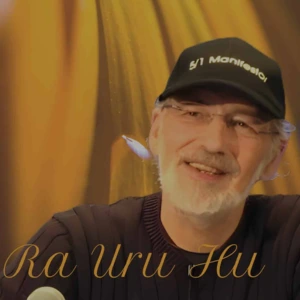
Traditional Human Design was founded by Ra Uru Hu (born Alan Robert Krakower) in 1987 after what he described as a mystical experience on the Spanish island of Ibiza. During this experience, Ra claimed to have received information from a “voice” that revealed a complex system combining elements from the I Ching, astrology, Kabbalah, the Hindu chakra system, and quantum physics. This system was designed to help individuals understand their unique energy blueprint and discover their authentic nature.
Ra Uru Hu established formal training and certification programs through what eventually became the Jovian Archive, creating a structured approach to teaching and disseminating Traditional Human Design. The system gained followers throughout the 1990s and early 2000s, establishing itself as a recognized alternative to other personality typing and astrological systems.
Quantum Human Design
Quantum Human Design was developed by Dr Karen Parker after more than two decades of studying Traditional Human Design.
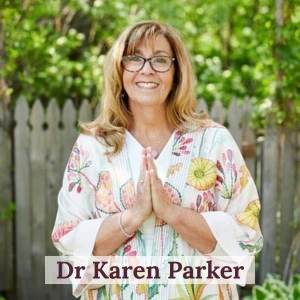
She began her Human Design journey around 1999 when her then-husband brought home a Human Design chart from a spiritual retreat in Sedona, Arizona. This serendipitous introduction led to a life-changing move from suburban Houston to Sedona, where she was hired to work for Human Design America.
Having worked directly with Ra Uru Hu in the early days of Human Design America (the original headquarters for Human Design in the United States), she had intimate knowledge of the traditional system.
Karen eventually departed from traditional Human Design around 2004-2005, before the organization transformed into the Jovian Archive. Her departure was motivated by philosophical differences with the traditional approach, which she found increasingly dogmatic.
Over the subsequent decade, she integrated her background in nursing, journalism, life coaching (having trained with Thomas Leonard, one of the pioneers of life coaching), and energy psychology (particularly Emotional Freedom Techniques) to create a significantly improved version of Human Design, called Quantum Human Design.
Foundational Mechanics
Both Human Design systems share certain foundational elements:
- Birth Data Calculation: Both use an individual’s birth date, time, and location to generate personal charts.
- Core Components: Both incorporate:
- The Bodygraph: A visual representation of nine energy centers
- Types: Classifications like Manifestors, Generators, Projectors, Reflectors, and Manifesting Generators
- Strategy: Specific approaches for decision-making based on type
- Authority: Internal guidance systems for authentic decisions
- Profile: Personality aspects based on hexagram lines from the I Ching
- Definition: Areas of consistent energy in the chart
- Interdisciplinary Integration: Both combine Eastern and Western astrology, the Chinese I Ching, Kabbalah, the Hindu chakra system, and quantum physics concepts.
Philosophical Approach
Traditional Human Design
Traditional Human Design operates from what might be called a “disruptive awakening” philosophy. Ra Uru Hu famously stated that his teaching method was designed to “shatter people” in order to wake them from their conditioning. This approach emphasizes:
- Deconditioning: A sometimes harsh process of breaking down false self-identifications, referred to as the “not-self.”
- Dogmatic Adherence: Strong emphasis on following specific rules and guidelines exactly as prescribed.
- Authority Paradox: While teaching individuals to find their inner authority, the traditional system sometimes contradicts this by suggesting people are “wrong” if their authority leads them away from system prescriptions.
- Deterministic Language: Often uses language that can feel limiting or fatalistic about one’s design characteristics.
- Experiment-Based Verification: Encourages a 7-year deconditioning process where individuals experiment with living according to their design.
Quantum Human Design
Quantum Human Design embraces what might be called an “expansive evolution” philosophy. Dr Karen Parker’s approach focuses on:
- Narrative Reconstruction: Helping individuals create new, empowering stories about themselves that are “big enough and juicy enough” to inspire growth.
- Flexibility and Integration: Less rigid interpretation of Human Design principles, allowing for integration with other modalities and personal truths.
- Honoring Individual Authority: Fully respecting when someone’s inner authority leads them away from aspects of the system itself.
- Linguistic Consciousness: Deliberately crafting high-frequency, positive language to describe design elements, believing that language itself shapes biological and energetic reality.
- Void Navigation: Providing supportive frameworks for people moving through major life transitions (the “void”) where old self-narratives no longer apply.
Linguistic and Terminological Differences
One of the most significant differences between the two approaches lies in their language and terminology:
Traditional Human Design
Ra Uru Hu acknowledged that his I Ching interpretations (which he called the “Rave I Ching”) were designed to speak to the conditioned self. He indicated before his passing that he hadn’t yet created an “awakened I Ching” with more elevated language. Consequently, Traditional Human Design language often:
- Focuses on problems, challenges, and limitations
- Uses terminology that some find restrictive or negative
- Employs stark contrasts between “correct” and “incorrect” ways of being
- Maintains consistent terminology that preserves Ra’s original language
Quantum Human Design
Based partly on research findings on how language affects human biology, Dr Karen has deliberately reconstructed the linguistic framework of Human Design. Quantum Human Design language:
- Emphasizes potential, growth, and expansion
- Uses terminology designed to elevate vibrational frequency
- Presents characteristics as different paths with unique gifts rather than problems to overcome
- Continues to evolve as practitioners contribute new insights and interpretations
Dr Karen Parker asserts that high-quality, positive language can actually influence DNA expression at the cellular level. She references scientific research suggesting that language patterns can affect the physical structure of DNA, with “high-frequency” language causing DNA coils to expand (increasing capacity to hold light/photons) and “low-frequency” language causing DNA to contract.
Practical Application and Methodology
Traditional Human Design
The traditional approach typically follows a structured methodology:
- Initial Reading: A foundational reading that explains an individual’s chart basics
- Deconditioning Period: A recommended 7-year process of experimenting with living according to one’s design
- Strategic Implementation: Strictly following type-specific strategies for decision-making
- Progressive Education: Structured learning paths through increasingly complex aspects of the system
- Community Reinforcement: Regular interaction with teachers and community members who reinforce traditional interpretations
Quantum Human Design
Quantum Human Design employs a more integrative approach:
- Narrative-Based Reading: Initial sessions focus on creating a new personal narrative based on design elements
- Integrated Practices: Combining Human Design insights with coaching techniques, energy psychology, and other modalities
- Flexible Implementation: Adapting strategies to individual needs while honoring core principles
- Transformational Focus: Using design insights to navigate through major life transitions
- Biological Integration: Understanding how design elements manifest in physical, emotional, and energetic aspects of being
Transitional Support and Life Changes
A particularly notable difference between the approaches concerns how they help individuals navigate major life transitions:
Traditional Human Design
The traditional system acknowledges that major life changes can be difficult, but often focuses more on correctly and rigidly following one’s defined strategy and authority through these periods. The emphasis remains on maintaining proper alignment with design principles during transitions.
Quantum Human Design
Quantum Human Design specifically addresses what Dr Karen Parker refers to as the “void state”—a disruptive and often disorienting period that follows major life changes such as divorce, career shifts, health crises, or relocations, when previous narratives no longer make sense.
Dr Karen argues that during these void periods, individuals are especially vulnerable to falling back into old, unhelpful patterns if they don’t receive adequate support. To navigate this challenging phase successfully, she emphasizes the importance of creating a new, expansive narrative, one that is “big enough” to guide and inspire personal transformation.
Additionally, she highlights the power of high-frequency language in crafting these narratives, suggesting that the words and energy we use can generate the momentum needed to move forward. Equally important, according to Parker, is the role of community support, which provides the connection and encouragement essential for meaningful and lasting change.
Community and Collective Impact
The approaches also differ in their vision of collective impact:
Traditional Human Design
Traditional Human Design focuses primarily on individual awakening, with collective evolution emerging naturally as more individuals live their correct design. The emphasis remains largely on personal deconditioning.
Quantum Human Design
Quantum Human Design explicitly engages with the concept of collective transformation, proposing that personal growth extends far beyond the individual. It suggests that when people operate at higher energetic frequencies, they become “beacons of alignment” within their communities, naturally influencing those around them. As more individuals align with their true selves, they can form groups that generate a “critical mass,” capable of shifting larger social systems.
According to this perspective, when narratives are collectively elevated, they attract more elegant and effective solutions to the complex challenges facing humanity. Ultimately, Quantum Human Design asserts that personal transformation is inseparably linked to social and global change, emphasizing that healing and evolution at the individual level contribute directly to the transformation of the broader world.
Training and Professional Development
The systems differ in their approaches to training practitioners:
Traditional Human Design
Traditional training follows a more standardized, sequential curriculum with specific levels of certification. The emphasis is on maintaining fidelity to Ra’s original teachings and interpretations.
Quantum Human Design
Practitioners of Quantum Human Design are equipped with a unique set of abilities that support deep personal and collective transformation. They learn to interpret Human Design charts as evolving personal narratives rather than rigid prescriptions, allowing for greater flexibility and empowerment. This narrative-based approach enables them to guide clients through major life transitions by aligning decisions and actions with their design.
Practitioners are also trained to integrate Human Design with other healing modalities, creating a more holistic and personalized experience. Central to their work is the use of high-frequency language, which helps to inspire and sustain client transformation. Additionally, they often foster community spaces that promote shared growth and collective elevation, reinforcing the idea that personal change contributes to broader social shifts.
Ongoing Evolution and Future Development
Traditional Human Design
Since Ra Uru Hu’s passing in 2011, Traditional Human Design has focused primarily on preserving his original teachings. While some evolution occurs, there is a strong emphasis on maintaining the integrity of his original vision and methodology.
Quantum Human Design
Quantum Human Design continues to evolve as a dynamic and responsive system. Its development is shaped by the growing contributions of practitioners who bring fresh insights and innovative applications to the field. As it becomes increasingly integrated with other healing modalities, new possibilities for personal and collective transformation emerge. Advances in scientific understanding—particularly in quantum physics and epigenetics—further enrich the system, grounding its concepts in contemporary research. At the same time, the ongoing evolution of collective consciousness calls for updated language and frameworks that can more accurately reflect and support the changing human experience.
Practical Benefits and Client Experience
From a client perspective, the approaches offer different experiences and benefits:
Traditional Human Design
Clients of Traditional Human Design often describe their experiences as deeply eye-opening and transformative. Many report a profound recognition of long-standing conditioning patterns, which brings clarity to behaviors and beliefs they may have previously struggled to understand. The system offers clear, strategic guidelines for decision-making, helping individuals navigate life with greater confidence and alignment.
Clients frequently feel a strong sense of validation for their natural tendencies, which fosters self-acceptance and inner peace. While the deconditioning process can be challenging, it is often experienced as ultimately liberating, allowing individuals to shed limiting influences and live more authentically. There is also widespread appreciation for the structured and systematic nature of Traditional Human Design, which many find grounding and dependable in their personal growth journey.
Quantum Human Design
Clients of Quantum Human Design often report a range of transformative benefits from their experiences with the system. Many describe a sense of emotional uplift as their personal traits are positively reframed, helping them view themselves with greater compassion and clarity. The system offers integrated support during major life transitions, providing guidance that feels both grounded and adaptable.
Its flexibility allows clients to apply insights to their unique circumstances, rather than adhering to rigid interpretations. This empowers individuals to craft new, more authentic personal narratives. Additionally, clients frequently express appreciation for the thoughtful balance between structure and flexibility that Quantum Human Design provides, allowing for both direction and personal freedom in their growth journey.
Traditional vs Quantum Human Design – Choosing the Right System for You
Deciding between Traditional Human Design and Quantum Human Design is a personal choice that depends on your preferences, goals, and how you respond to different approaches to transformation. Here’s a comprehensive guide to help you determine which system might better serve your journey.
Self-Assessment Questions
Before deciding which approach resonates more with you, consider asking yourself the following questions:
- How do you respond to feedback?
- Do you prefer direct, sometimes challenging feedback that clearly identifies problems?
- Or do you respond better to positive, growth-oriented feedback that emphasizes potential?
- What’s your learning style?
- Do you prefer structured, sequential learning with clear rules and boundaries?
- Or do you thrive with more integrative, flexible approaches that you can adapt to your needs?
- What’s your current life situation?
- Are you seeking foundational self-knowledge and systematic deconditioning?
- Or are you navigating major life transitions and needing support through uncertainty?
- How do you view authority?
- Are you comfortable with more hierarchical teaching structures?
- Or do you prefer more collaborative, co-creative learning environments?
- What’s your relationship with language?
- Do you respond to straightforward, sometimes stark terminology?
- Or do you find yourself more motivated by uplifting, expansive language?
When Traditional Human Design Might Be Right for You
Traditional Human Design might be the better fit if you:
- Value historical authenticity – You prefer working with a system in its original form, as transmitted by its founder.
- Respond well to direct challenges – You find that direct combative confrontation with your conditioning is effective for your growth.
- Prefer clear structures – You appreciate having definitive rules and guidelines rather than flexible interpretations.
- Enjoy systematic approaches – You like methodical, step-by-step processes with clearly defined stages.
- Connect with traditional spiritual frameworks – You resonate with more traditional spiritual hierarchies and teaching models.
- Seek community with shared vocabulary – You value being part of a community with consistent terminology and shared references.
- Appreciate definitive answers – You prefer clear distinctions between “correct” and “incorrect” ways of operating.
When Quantum Human Design Might Be Right for You
Quantum Human Design might better serve you if you:
- Respond to positive framing – You find yourself more motivated by possibilities than by problem identification.
- Prefer integrated approaches – You like combining different modalities and approaches in your personal development.
- Value flexibility – You appreciate adaptable frameworks that can be tailored to your specific circumstances.
- Are sensitive to language – You notice that the words used to describe you significantly impact how you feel and perform.
- Are navigating major transitions – You’re in a period of significant change and need support creating a new narrative.
- Seek collaborative guidance – You prefer guides who position themselves as co-creators rather than authoritative teachers.
- Connect with quantum consciousness concepts – You resonate with ideas about frequency, vibration, and energetic influence.
Practical Considerations
Beyond philosophical alignment, consider these practical factors:
Accessibility and Resources
- Traditional Human Design has been established longer and may have more resources available.
- Quantum Human Design is growing rapidly and incorporates more integrative tools from coaching and psychology.
Practitioner Relationship
- The rapport you establish with a particular practitioner may be more important than which system they use.
- Consider booking initial consultations with practitioners from both approaches to see which resonates more.
Cost and Time Investment
- Traditional Human Design often emphasizes a longer deconditioning process (traditionally 7 years).
- Quantum Human Design may offer more immediate applications while still honoring the depth of the system.
Community Support
- Consider what type of community you prefer for ongoing support:
- Traditional communities tend to have more standardized language and approaches
- Quantum communities may offer more diverse perspectives and integrative practices
A Hybrid Approach
It’s worth noting that you don’t necessarily have to choose one system exclusively. Many people have found that they have benefited from:
- Starting with Traditional – Spending a brief period of time learning the foundational mechanics and historical context of Human Design through the traditional approach.
- Expanding with Quantum – Soon thereafter integrating the more expansive language and applications of Quantum Human Design.
- Personal Integration – Ultimately developing your own relationship with the system that honors your inner authority, which is, ironically, a core teaching of both approaches.
Red Flags and Warning Signs
No matter which Human Design system you choose to explore, it’s important to remain aware of certain warning signs that may indicate a teacher or approach isn’t truly supporting your growth.
Be cautious of dogmatism—anyone who claims there’s only one correct way to interpret or apply Human Design may be limiting your ability to engage with the system in a meaningful, personalized way.
Likewise, watch for signs of dependency; a healthy teacher-student relationship should empower your autonomy, not foster reliance.
Rigidity is another red flag, especially if your lived experience is dismissed simply because it doesn’t align with theoretical expectations.
Be wary of fatalistic messaging that suggests you are permanently limited by your design, as this can undermine your sense of possibility and agency.
Lastly, avoid approaches that promote isolation or separation from those who don’t follow the same system, as true growth is often enriched through diverse perspectives and open connections. The right teacher or path will support your empowerment, flexibility, and evolving understanding.
Taking the First Step
If you’re still unsure which approach might be right for you, consider these entry points:
- Read materials from both traditions – Books, articles, and free resources can give you a feel for each approach’s language and philosophy.
- Get a free chart from each tradition – Both traditions offer basic free chart generators online that can give you initial insights.
- Listen to podcasts or videos – Hearing practitioners speak can give you a sense of their tone and approach.
- Join online communities – Observe discussions in Facebook groups or forums dedicated to each approach.
- Trust your response – Notice how your body and intuition respond to different explanations of the system.
Clients of Traditional Human Design often describe their experiences as both deeply revealing and transformative. Many report a powerful recognition of long-standing conditioning patterns—those ingrained behaviors and beliefs shaped by societal expectations, family dynamics, and early life experiences.
This recognition often brings a sense of relief and clarity, as individuals begin to understand why they’ve felt internal resistance or misalignment in certain areas of their lives. The system offers clear, strategic guidelines for decision-making, rooted in each person’s unique design, which helps clients feel more confident and purposeful in their choices.
A common theme is a strong sense of validation; many feel seen and understood, sometimes for the first time, as the system reflects their natural tendencies with accuracy and depth. Although the deconditioning process—letting go of what doesn’t serve—is not always easy, it is often described as profoundly liberating, leading to greater authenticity and self-empowerment.
Clients also express a deep appreciation for the structured, methodical approach of Traditional Human Design, which offers a solid framework for growth, stability, and long-term personal evolution.
Traditional vs Quantum Human Design – Get Your Free Chart and See What It Means For You.
Get Your FREE Human Design Chart to check it out.
Why not download your FREE Human Design chart here to find out?
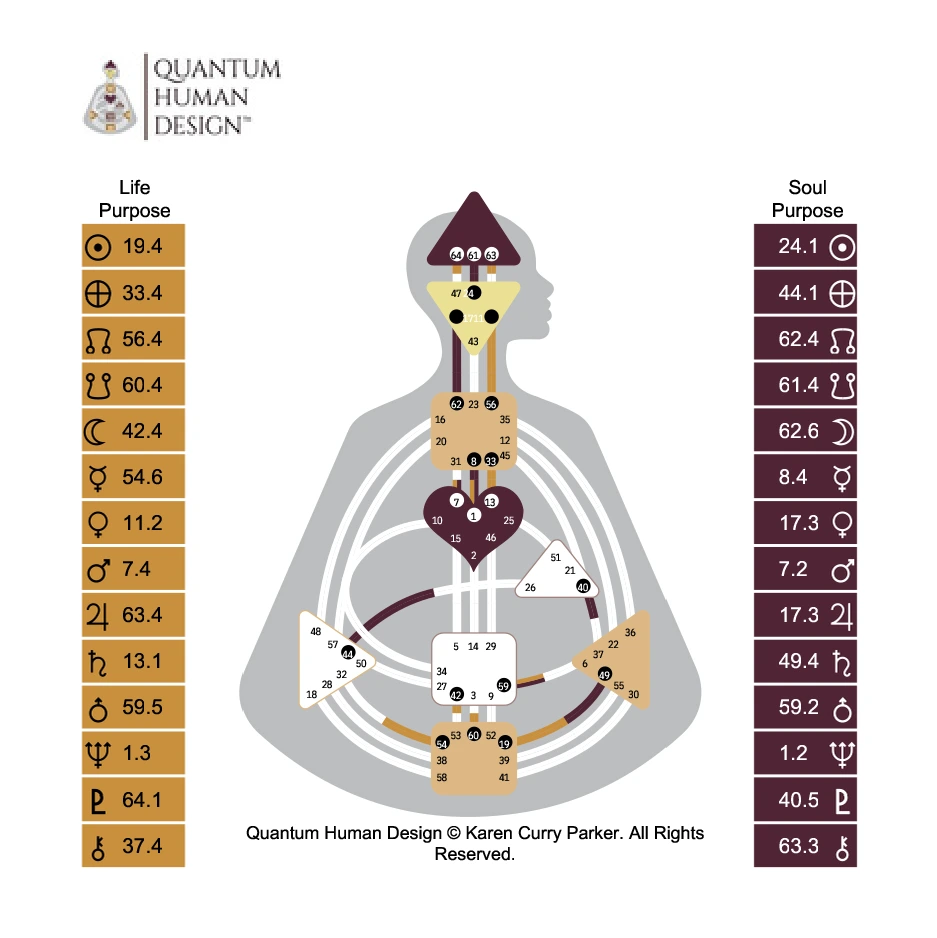
Remember that we all have ALL of the chart. If the Gate is colored in or defined, it’s part of your Soul Curriculum. If it’s white or undefined, it means you learn about this Gate through relationships with others or through the Transits.
At its core, Human Design is a unique system that offers profound insights into your inner self and how you interact with the world around you. Your Human Design chart is a valuable tool that can help you understand your true nature, discover your strengths and weaknesses, and unlock your full potential.
By downloading and reviewing your unique Human Design Chart you are embarking on a journey of self-discovery that will empower you to make conscious choices in all aspects of your life. Your chart is an Energy Blueprint of your unique energy configuration and contains valuable information about your personality traits, your natural talents, and your life purpose. With this knowledge, you’ll navigate life’s challenges with greater ease and clarity.
Human Design is a deeply empowering system that encourages us to embrace our true selves, rewrite our personal narrative, and live in alignment with our inner wisdom. When we align with our authentic nature, we tap into a wellspring of creativity, joy, and fulfillment that flows effortlessly through us.
There’s More – How To Learn More About Human Design
If you are trying to learn and apply Human Design to your life circumstances, but traditional Human Design rings a little off-key, you don’t quite connect with it, or it feels heavy as you read it. We invite you to explore training options with Quantum Human Design, internationally respected and time-tested training courses.
These courses will empower you to create a life filled with more money, better relationships, health and vitality, a rewarding career, and experience profound personal transformation.
Do you want to unlock the secrets of Quantum Human Design?
Why not join our on-demand Masterclass and discover the Transformative Power of Quantum Human Design
Curious about the difference between Human Design and Quantum Human Design? Karen Curry Parker explains it in this video:
BOOK NEWS
Quantum Wellness: Healing Your Mind, Body, and Spirit with Human Design

This comprehensive guide teaches readers to:
- Interpret bodily signals and uncover root causes of imbalance
- Utilize individual energetic blueprints for optimal well-being
- Transform limiting beliefs to align with one’s authentic self
Dr. Parker provides practical tools to unlock potential and create purposeful, vibrant lives.
This essential resource addresses core issues beyond symptoms, guiding readers on a transformative journey of self-realization and deep healing.
This book blends ancient Human Design wisdom with quantum physics, offering a revolutionary approach to holistic healing and personal transformation. Ideal for holistic practitioners, Human Design enthusiasts, and self-discovery seekers.